 Save
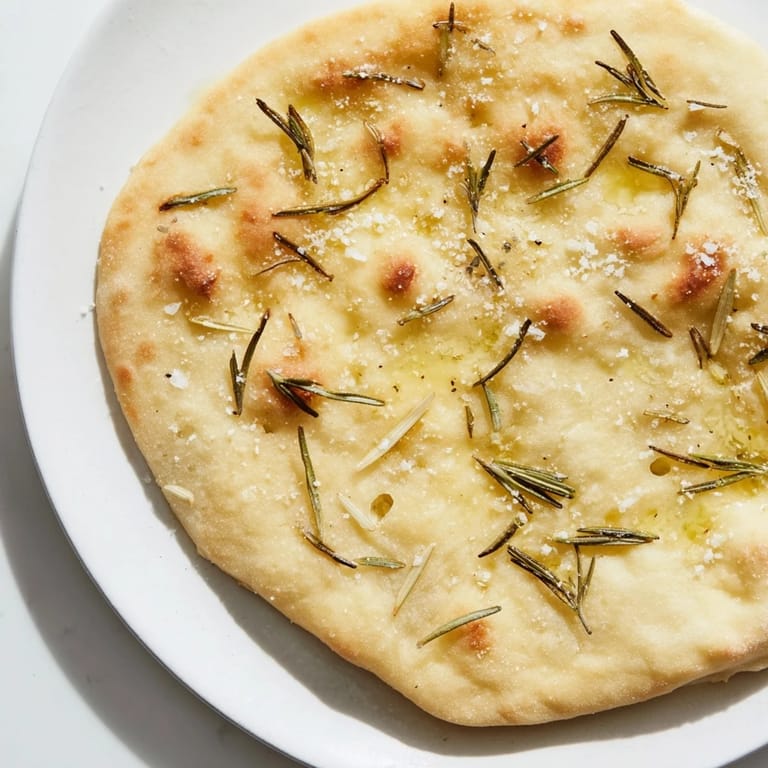
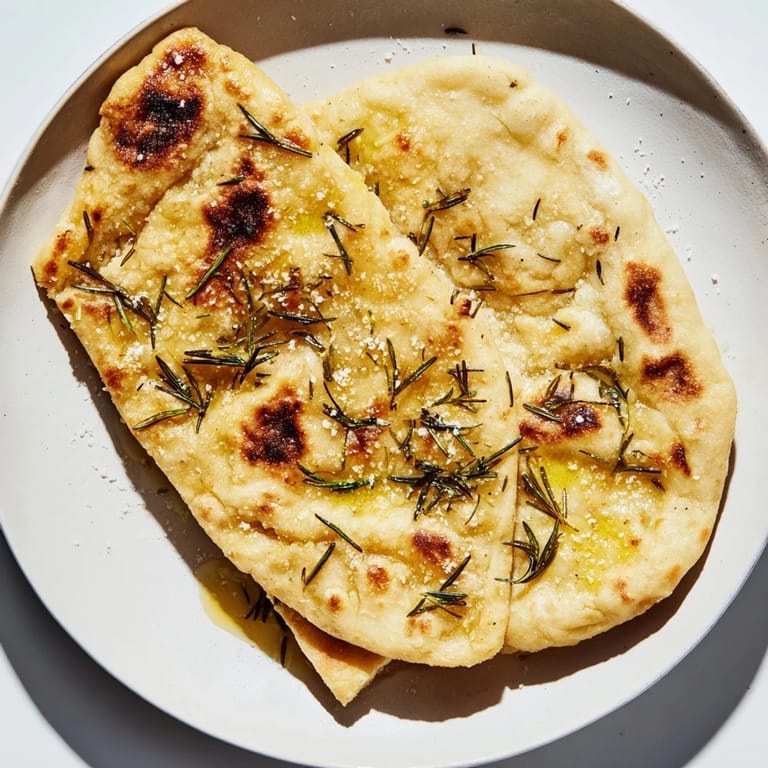
Save I used to think flatbread was something only bakeries could pull off until a rainy Tuesday proved me wrong. With just a handful of pantry staples and a hot skillet, I had golden, fragrant rounds bubbling up in minutes. The smell of rosemary hitting the heat made my kitchen feel like a tiny Mediterranean courtyard. No yeast, no waiting, just flour and yogurt coming together like old friends. That first bite, still warm and chewy with crunchy salt crystals, made me wonder why I'd ever bought store-bought again.
I made these for a last-minute dinner party when I realized I had no bread and no time to run out. My friends watched me roll out the dough on my counter, skeptical that something so simple could taste like anything special. When I flipped the first one and those dark spots appeared, the whole room went quiet. We ate them straight from the skillet, tearing off pieces and laughing about how something this easy had been hiding in plain sight all along.
Ingredients
- All-purpose flour: The backbone of the dough, giving it structure without being too heavy. I've tried bread flour once and it made them chewier, but all-purpose keeps them soft and tender.
- Baking powder: This is what makes the flatbreads puff up without any resting time. Make sure it's fresh or you'll end up with dense discs instead of airy rounds.
- Fine sea salt: Mixed into the dough for subtle flavor. Don't skip it or the flatbread will taste flat no matter how much you top it.
- Plain Greek yogurt: The secret ingredient that makes the dough soft and gives it a slight tang. Full-fat works best, but I've used low-fat in a pinch and it still turned out great.
- Olive oil: Adds richness to the dough and creates those crispy, golden edges when brushed on top. I always use a little extra because it makes the rosemary stick and sizzle.
- Fresh rosemary: The star topping. When it hits the hot skillet, it crisps up and fills the air with pine and citrus notes that make the whole dish sing.
- Flaky sea salt: The final touch. Those little crunchy bursts of salt make every bite feel special, like you're eating something from a fancy bakery.
Tired of Takeout? 🥡
Get 10 meals you can make faster than delivery arrives. Seriously.
One email. No spam. Unsubscribe anytime.
Instructions
- Mix the dry ingredients:
- Whisk the flour, baking powder, and fine sea salt together in a large bowl until everything is evenly distributed. This step takes less than a minute but it ensures every bite has balanced flavor.
- Add the wet ingredients:
- Dump in the Greek yogurt and olive oil, then stir with a wooden spoon or your hands until a shaggy, sticky dough forms. It will look messy at first, but trust the process.
- Knead the dough:
- Turn it out onto a lightly floured counter and knead for 2 to 3 minutes until it feels smooth and elastic. The dough should stop sticking to your hands and start to feel alive under your palms.
- Divide and shape:
- Cut the dough into 4 equal pieces and roll each into a ball. Flatten each ball with a rolling pin or your hands until it's about a quarter inch thick, trying to keep it roughly round but not stressing over perfection.
- Heat the skillet:
- Set a large skillet or griddle over medium-high heat and let it get hot. You'll know it's ready when a drop of water sizzles and evaporates almost instantly.
- Oil and top:
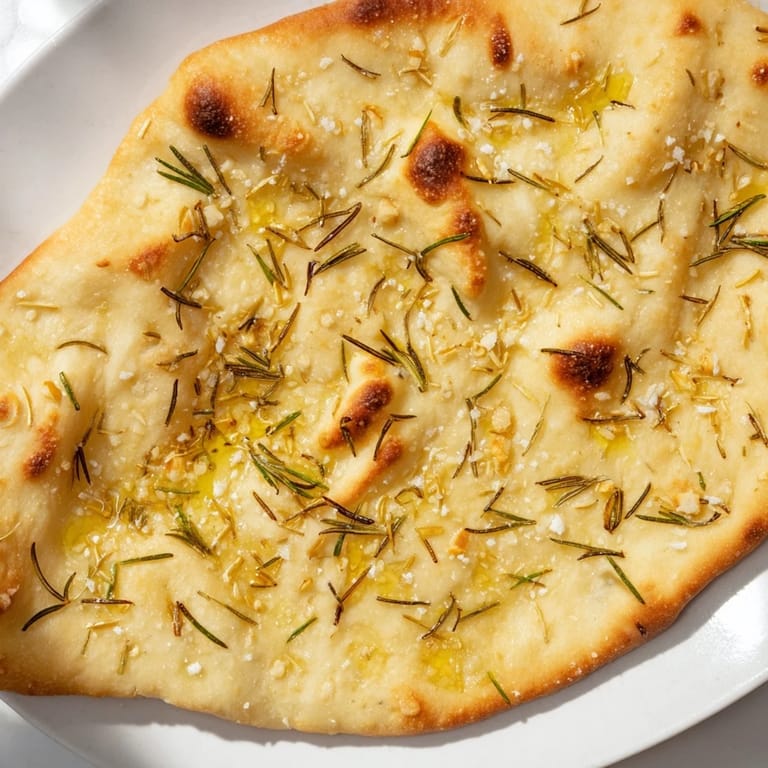
- Brush one side of the flatbread with olive oil and place it oiled side down in the hot pan. While it cooks, brush the top with more oil and sprinkle with chopped rosemary and flaky sea salt so the toppings get pressed in as you flip.
- Cook until golden:
- Let it cook for 2 to 3 minutes per side, watching for golden brown spots and bubbles forming on the surface. The smell of rosemary crisping is your cue that it's almost ready.
- Serve warm:
- Pull the flatbread off the heat and serve it right away while it's still soft and steaming. They're best eaten within minutes, torn apart with your hands.
 Save
Save One evening, I made a double batch of these and served them with bowls of hummus and roasted vegetables. My neighbor, who never cooks, asked for the recipe and texted me two days later saying she'd made them three times already. That's when I knew this wasn't just a recipe, it was the kind of thing that gets passed around and becomes part of people's kitchens. It made me proud in a quiet way, like I'd shared something that mattered.
Making It Your Own
Once you've made the basic version a few times, you can start playing with the toppings. I've folded minced garlic into the dough for a punch of flavor, sprinkled chili flakes on top for heat, and even brushed them with garlic butter right after cooking. Some nights I skip the rosemary and go for za'atar or sesame seeds. The dough is a blank canvas, and whatever you're craving will probably work.
Serving Suggestions
These flatbreads are incredible as a base for dips like tzatziki, baba ganoush, or even a thick tomato sauce. I've also torn them into pieces and tossed them into salads for crouton-like texture, or used them to scoop up stews and curries. They're sturdy enough to hold toppings but soft enough to fold, which makes them perfect for wrapping grilled chicken or roasted veggies. Honestly, I've never met a dish they didn't complement.
Storage and Reheating
If you have leftovers, which is rare, let them cool completely and store them in an airtight container or zip-top bag for up to two days. To reheat, warm them in a dry skillet over medium heat for about a minute per side, or wrap them in foil and pop them in a low oven. They won't be quite as soft as fresh, but they'll still be delicious and way better than anything from a package.
- You can freeze the cooked flatbreads with parchment paper between each one, then thaw and reheat as needed.
- If you're short on time, roll out the dough and stack the rounds with parchment, then cook them one by one as guests arrive.
- Leftover flatbreads make excellent pizza bases. Just add sauce, cheese, and toppings, then bake until bubbly.
 Save
Save There's something grounding about making bread with your hands, even when it's this quick and simple. These flatbreads have become my go-to whenever I want to feel like I'm really cooking, and they never let me down.
Recipe FAQs
- → How long does it take to prepare the flatbread?
The entire process takes about 25 minutes, including 10 minutes for preparation and 15 minutes for cooking.
- → Can I substitute the Greek yogurt in the dough?
Greek yogurt adds moisture and tenderness. You can substitute it with sour cream or buttermilk for similar results.
- → What is the best way to cook the flatbread?
Use a preheated skillet or griddle over medium-high heat, cooking each side 2–3 minutes until golden with dark spots.
- → Can dried rosemary be used instead of fresh?
Yes, but reduce the amount to one teaspoon as dried rosemary has a stronger flavor.
- → How can I add extra flavor to the flatbread dough?
Incorporate minced garlic or a pinch of chili flakes into the dough for added depth and spice.