 Save
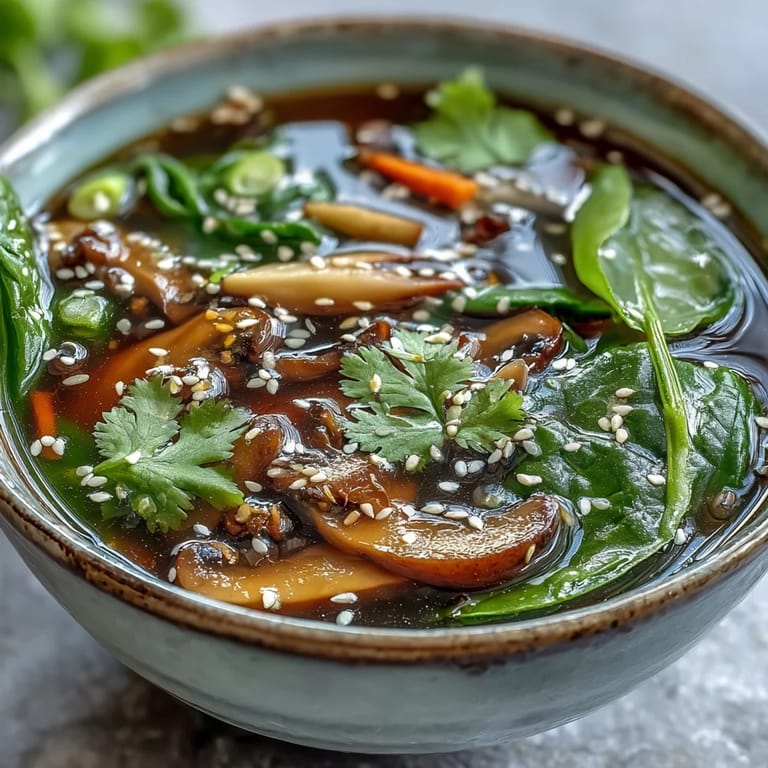
Save The first time I made miso ginger soup was during a particularly harsh winter when I'd caught a stubborn cold that wouldn't quit. My neighbor, an elderly Japanese woman named Keiko, noticed my sniffles while collecting her mail and insisted I try her healing broth. The warming ginger and gentle umami of the miso worked such magic that I begged her for the recipe. Standing in her tiny kitchen, watching her hands move with practiced efficiency, I knew this would become more than medicine - it would become tradition.
Last February, when my sister came to visit with her family during that freakish snowstorm, I made enormous pots of this soup for lunch three days running. Her picky eight-year-old, who normally subsists on chicken nuggets and apple slices, asked for seconds and then thirds. My sister texted me a week later saying he was now requesting miso soup before bed every night, and could I please share exactly what I put in mine that made it taste like magic.
Ingredients
- Fresh ginger: Please use fresh rather than powdered - the oils in fresh ginger create this aromatic foundation that powdered simply cannot match.
- Miso paste: White or yellow miso works best here with its gentle sweetness, though I sometimes use red miso when I want a deeper, more robust flavor profile.
- Shiitake mushrooms: These umami bombs create the backbone of the soup, and I like to slice them thinly so they curl beautifully as they cook.
- Baby spinach or bok choy: They wilt perfectly into the hot broth, adding color and nutrients without overwhelming the delicate flavors.
- Vegetable broth: I prefer low-sodium because it lets me control the saltiness, especially since miso already brings considerable salt to the party.
Tired of Takeout? 🥡
Get 10 meals you can make faster than delivery arrives. Seriously.
One email. No spam. Unsubscribe anytime.
Instructions
- Infuse the broth:
- Bring your vegetable broth to a gentle simmer, then add those thin slices of ginger and garlic. You should start smelling the aromatics wafting up almost immediately - breathe deeply, its part of the experience.
- Add the vegetables:
- Drop in your mushrooms and carrots, watching as they gradually soften and release their flavors. The carrots provide little bursts of sweetness against the savory background.
- Incorporate the miso:
- This is crucial - remove some hot broth and whisk your miso paste into it before returning to the pot. Never boil miso if you want to preserve those beneficial probiotics.
- Finish with greens:
- Add your spinach or bok choy and green onions just before serving. The residual heat will wilt them perfectly while maintaining their vibrant color and nutrients.
- Garnish and serve:
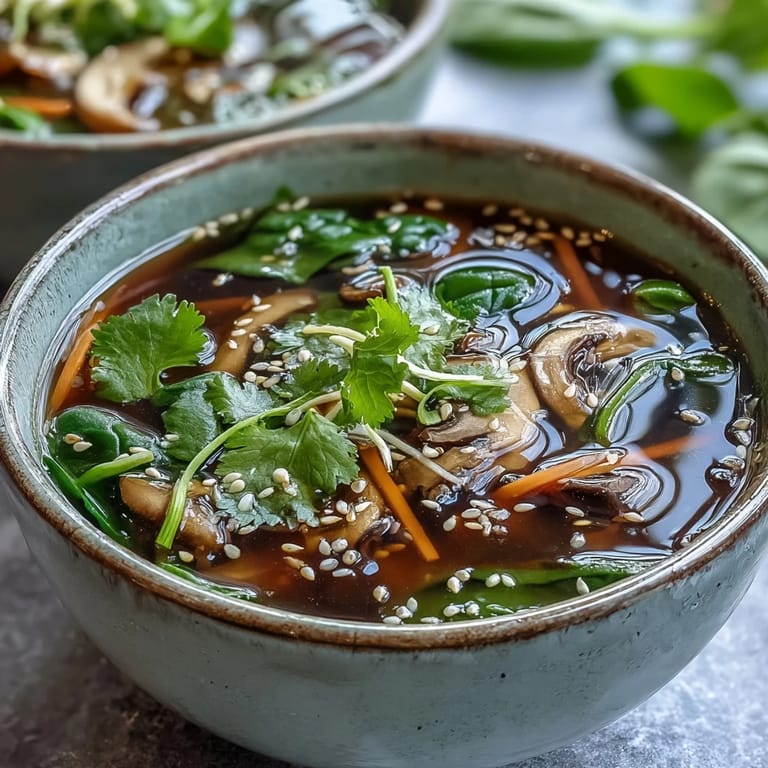
- Ladle into bowls and sprinkle with sesame seeds, fresh cilantro, and a touch of chili oil if you enjoy a gentle heat. The contrast of the hot soup with the cool fresh herbs is divine.
 Save
Save During that endless pandemic winter, this soup became my Wednesday ritual. Id make a double batch, pour it into my thermos, and walk to the park where I would sit alone on a bench, warming my hands on the container. Something about the steam rising up, carrying the scent of ginger and earth, made me feel connected to the world again when everything felt so isolated. Even now, the smell of miso and ginger simmering brings me back to that quiet park bench and the strange peace I found there.
Storage and Reheating
This soup keeps wonderfully in the refrigerator for up to three days, though the greens will lose some of their vibrancy. When reheating, remember to warm it gently - never let it boil, especially with the miso already incorporated. I sometimes make a double batch of just the ginger-infused broth, then add fresh vegetables and miso to each portion as I heat it, giving me that just-made flavor even on busy weeknights.
Variations to Try
The beauty of this soup lies in its adaptability to whatever ingredients you have on hand. Ive made it with sweet potatoes cut into tiny cubes for a heartier version, and tossed in leftover roasted brussels sprouts when I was cleaning out the fridge. My vegetarian niece loves it with cubes of firm tofu added during the last five minutes of cooking, while my partner prefers it with a soft-boiled egg gently placed on top, the yolk enriching the broth as you eat.
Making It a Complete Meal
On nights when this soup needs to function as dinner rather than a starter, I add some substantial elements to transform it into a complete meal. The simplest approach is adding cooked soba or udon noodles directly to the bowl before pouring the hot soup over them.
- For a protein boost without much effort, add cubed silken or firm tofu during the final minutes of cooking.
- A soft-boiled egg placed gently on top just before serving creates a luxurious richness as the yolk mingles with the broth.
- If youre serving meat-eaters, some shredded rotisserie chicken or thinly sliced cooked pork can be added right before serving.
 Save
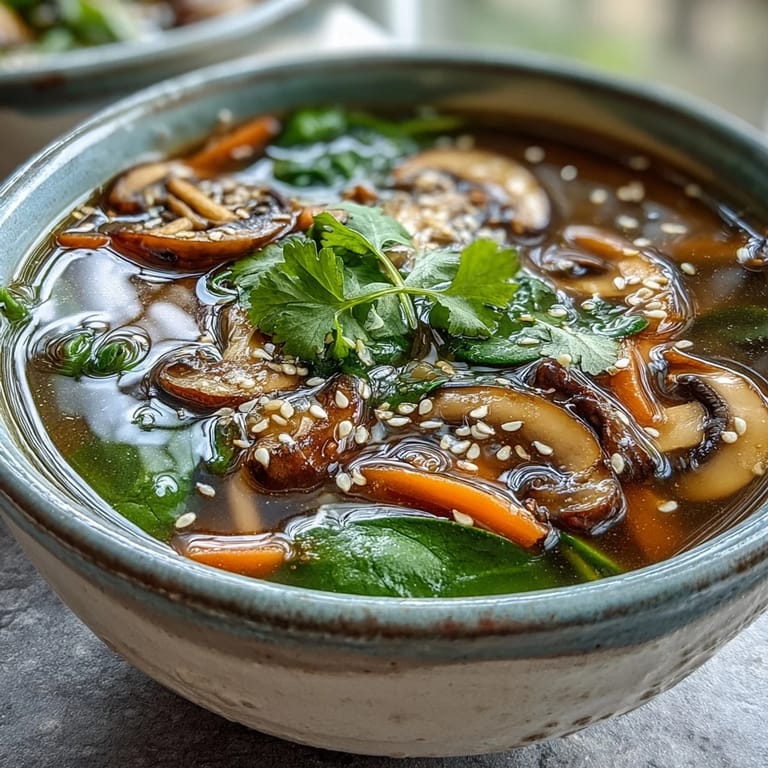
Save This humble soup has carried me through countless winter evenings, asking for little in preparation but giving back so much in comfort. May it warm your kitchen and your spirit as it has mine.
Recipe FAQs
- → Can I boil the soup after adding miso?
No, avoid boiling after adding miso paste. High heat destroys the beneficial probiotics. Keep the temperature at a gentle simmer to preserve the live cultures and maintain the soup's nutritional benefits.
- → What type of miso works best?
White or yellow miso offers a milder, slightly sweet flavor ideal for this light soup. Red miso provides a deeper, more intense taste if you prefer stronger umami notes. Always choose pasteurized or refrigerated miso for maximum probiotic content.
- → How can I add more protein?
Cubed silken tofu absorbs the savory broth beautifully while adding plant-based protein. You can also add edamame, cooked chickpeas, or even a poached egg. For non-vegetarian options, shredded chicken or shrimp work wonderfully.
- → Can I make this soup ahead?
Prepare the vegetable broth base up to 3 days in advance, but add the miso paste and fresh greens just before serving. This preserves the probiotics and prevents the spinach from becoming overcooked and soggy.
- → What vegetables can I substitute?
Kale, Swiss chard, or napa cabbage replace bok choy nicely. Try snow peas, bell peppers, or zucchini for extra crunch. The broth base works with almost any vegetable combination you have on hand.
- → Is this soup gluten-free?
Most miso pastes contain fermented soybeans and salt, making them naturally gluten-free. However, always check the label as some brands add barley or wheat. Use certified gluten-free tamari instead of soy sauce if needed.