 Save
Save One morning, I stood in my kitchen watching the sunrise paint everything golden, and I realized I'd been reaching for the same oatmeal for years without really thinking about it. That's when a friend mentioned millet porridge—how it had sustained her grandmother through seasons of hard work and gentle mornings. I decided to try it, and the moment that first spoonful touched my tongue, warm and somehow both delicate and deeply nourishing, I understood why. Now it's become my quiet ritual, especially when the world feels too loud and I need something that tastes like care.
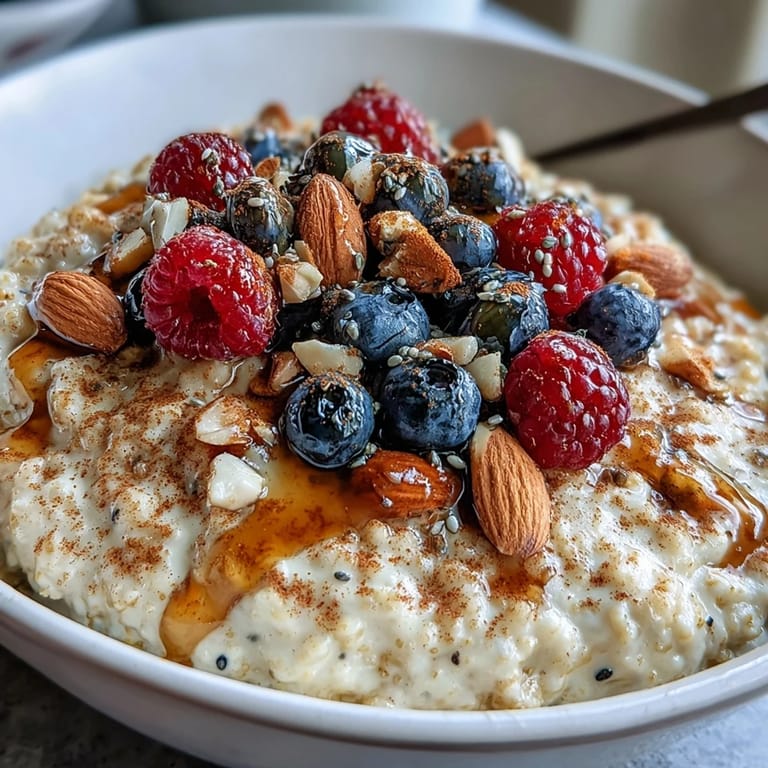
I made this for my sister on a lazy Sunday when she was visiting, and she sat at the kitchen counter with her hands wrapped around the bowl, just breathing in the cinnamon steam before taking a bite. The berries caught the light, jewel-like and perfect, and for a moment the whole breakfast felt less like food and more like a small act of love. She asked for the recipe before she'd even finished, which told me everything I needed to know.
Ingredients
- Millet (1 cup, rinsed): This ancient grain has a mild, slightly sweet flavor and a naturally creamy texture when cooked—rinsing it helps remove any dust and makes the finished porridge cleaner tasting.
- Water (2½ cups): The foundation that gets absorbed into each grain; use filtered water if your tap water tastes strongly of minerals, as it can affect the delicate flavor.
- Milk, dairy or plant-based (1 cup): This is where the magic happens—it transforms the millet into something luxuriously creamy while keeping things light and digestible.
- Maple syrup or honey (2 tbsp): Either one works beautifully; maple syrup gives an earthy sweetness while honey adds a floral note that plays nicely with the spices.
- Ground cinnamon (1 tsp): Warm and grounding, this spice becomes almost floral when cooked gently into porridge rather than scattered on top.
- Ground nutmeg (¼ tsp): A whisper of nutmeg adds depth without announcing itself—use fresh ground if possible, as pre-ground loses its vibrancy.
- Ground cardamom (¼ tsp): This is the secret ingredient that elevates everything; it's citrusy and slightly sweet, bringing unexpected sophistication to a simple bowl.
- Salt (pinch): Never skip this—salt brightens all the other flavors and prevents the porridge from tasting flat or one-dimensional.
- Mixed fresh or frozen berries (1½ cups): Blueberries, raspberries, strawberries, and blackberries all work; frozen berries are just as nutritious and sometimes easier to keep on hand.
- Chopped nuts and seeds (optional): Almonds, walnuts, pecans, chia seeds, or flaxseeds add texture and a final boost of nutrition that makes each spoonful more interesting.
Tired of Takeout? 🥡
Get 10 meals you can make faster than delivery arrives. Seriously.
One email. No spam. Unsubscribe anytime.
Instructions
- Rinse and gather:
- Give your millet a quick rinse under cool water using a fine-mesh strainer—you'll feel any dust wash away and the grains will smell fresher and brighter.
- Bring the water to life:
- Combine the rinsed millet with water and a pinch of salt in your saucepan, then turn the heat to medium-high and listen for that first active bubble breaking the surface. Once it's boiling with gentle urgency, you're ready for the next step.
- Simmer low and slow:
- Lower the heat, cover the pan, and let the millet cook for 15 minutes—stir it every few minutes so nothing sticks to the bottom and the grains cook evenly. The kitchen will start smelling warm and grain-like, which is your signal that things are working.
- Introduce the milk and spices:
- Pour in the milk and add your cinnamon, nutmeg, cardamom, and another whisper of salt, then stir everything together so the spices distribute evenly. Cover again and cook for another 10 minutes—this is when the porridge transforms from simply cooked grain into something creamy and cohesive.
- Finish with sweetness:
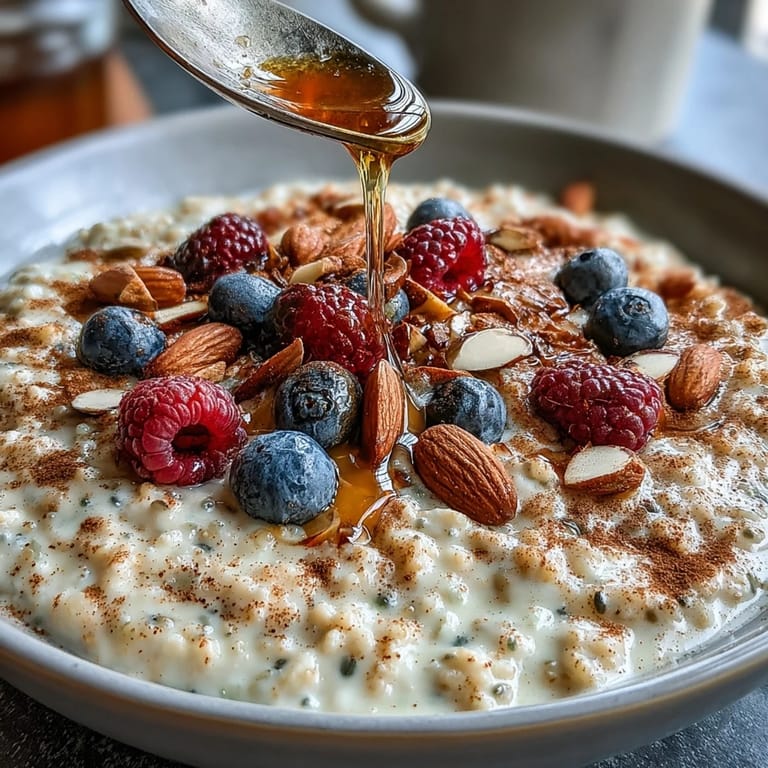
- Remove from heat and stir in your maple syrup or honey, letting the warmth dissolve it completely so it's woven throughout rather than sitting in puddles.
- Serve with intention:
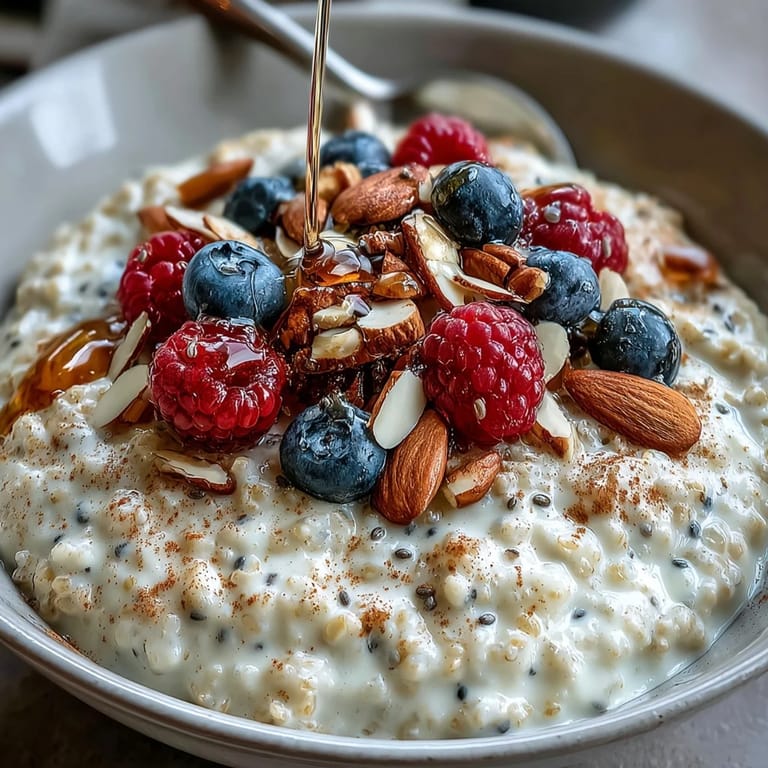
- Spoon the porridge into bowls while it's still warm, then crown each one with a handful of berries, some chopped nuts, and seeds if you like—the contrast between the warm porridge and cool fruit is part of what makes this dish special.
 Save
Save There's something almost meditative about watching a pot of millet transform—how the grains slowly soften and the whole kitchen fills with that warm, welcoming aroma. I think that's when I realized this wasn't just breakfast; it was a small ritual that asked me to slow down and pay attention, even if just for half an hour before the day rushed in.
Why Millet Deserves Your Attention
Millet is one of those grains that feels almost forgotten in modern cooking, tucked away in health food stores like a quiet secret. It's been feeding people across Africa, Asia, and the Middle East for thousands of years, and for good reason—it's resilient, nutritious, and has this gentle flavor that doesn't demand attention but somehow makes everything taste better. When cooked into porridge, it becomes something almost silky, with a texture that's entirely its own, neither as thick as oatmeal nor as delicate as rice. I think once you taste it this way, you'll understand why it's been a breakfast staple for so long.
The Berry Factor
Fresh berries are wonderful, but I've learned not to dismiss frozen ones—they're often picked at peak ripeness and frozen immediately, which means they're packed with all those antioxidants and bright flavor we're after. The beauty of berries on top of warm porridge is that they don't get soggy; instead, they stay distinct and jewel-like, their slight firmness providing a textural contrast that makes the whole bowl more interesting. If you want to warm them gently, simply place them in a small pan over low heat for a few minutes with a splash of water—they'll release their juices and become almost jammy, which is its own kind of magic.
Making It Your Own
This recipe is a foundation, not a rigid instruction—I've found that the best breakfasts are the ones you feel comfortable tinkering with based on what you have and what your body is asking for on any given morning. Some mornings I add a splash of coconut milk for extra richness, other times I substitute some of the water with brewed tea for a subtle flavor shift. You can swap the berries for diced mango or a drizzle of almond butter, use quinoa or amaranth instead of millet, or add a few drops of vanilla extract for warmth and depth.
- If your spice cabinet is limited, cinnamon and salt alone will still create something beautiful and warming.
- Coconut milk, almond milk, or oat milk all work wonderfully—choose based on what resonates with you and what you have on hand.
- Cook a big batch on Sunday and refrigerate it; it reheats gently on the stovetop with a splash of extra milk, making rushed mornings feel less rushed.
 Save
Save I hope this becomes one of those recipes you return to again and again, not because it's trendy or because someone on the internet told you to, but because it tastes like exactly what you needed that morning. There's real power in feeding yourself something warm and nourishing and made with intention.
Recipe FAQs
- → Is millet porridge gluten-free?
Yes, millet is naturally gluten-free, making this porridge suitable for those with gluten sensitivities or celiac disease. Always verify your ingredients are certified gluten-free if you have severe allergies.
- → Can I make this porridge ahead of time?
Absolutely. Prepare the porridge in advance and store it in the refrigerator for up to 3 days. Reheat with a splash of milk or water to restore creaminess before serving.
- → What other grains work in this porridge?
Quinoa and amaranth make excellent substitutes for millet, offering similar textures and cooking times. Both grains absorb the spices beautifully and pair well with the berry topping.
- → Can I use frozen berries?
Frozen berries work perfectly in this dish. Gently warm them in a small pan before topping your porridge, or add them directly—they'll thaw quickly against the warm grain.
- → How can I make this porridge more protein-rich?
Increase the protein content by stirring in Greek yogurt, adding a scoop of protein powder, or incorporating extra nuts and seeds like chia, hemp hearts, or chopped almonds.
- → Is this suitable for meal prep?
Yes, this porridge is ideal for meal prep. Cook a batch at the start of the week, portion into containers, and reheat individual portions as needed. Add fresh berries just before serving.