 Save
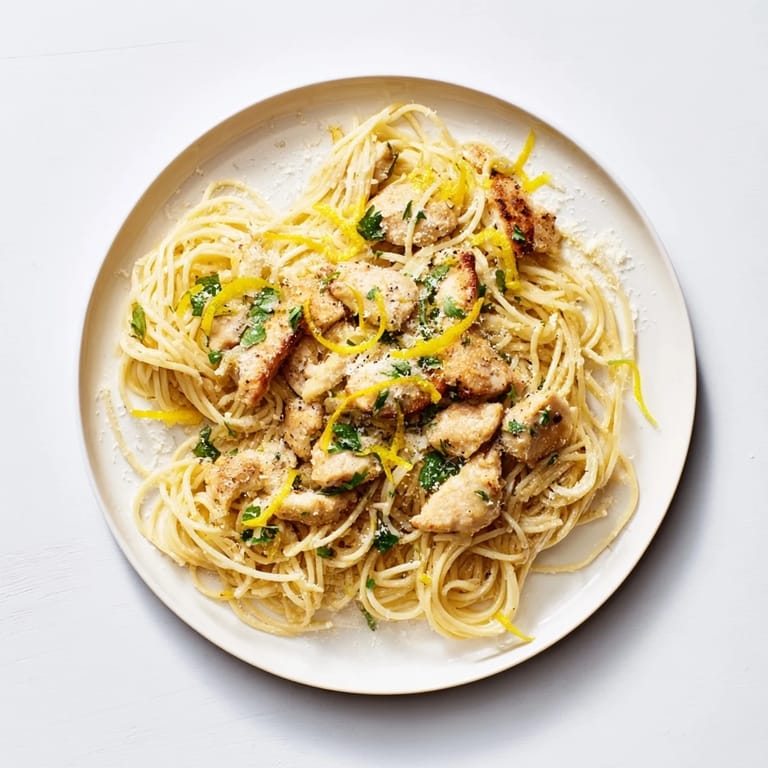
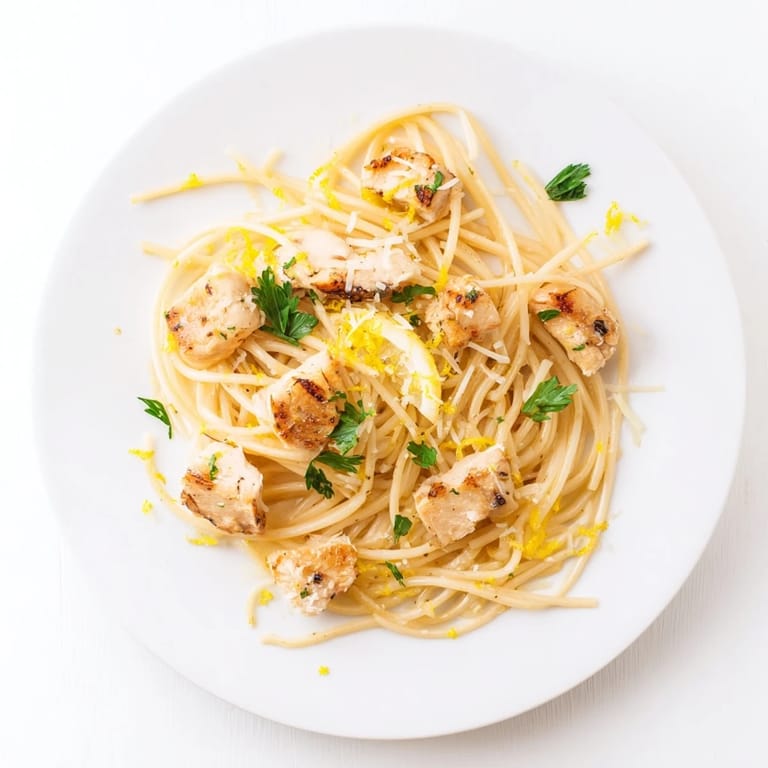
Save The first time I made brown butter, I nearly missed the moment entirely. I was distracted by my phone and suddenly caught this nutty, toasty scent that made me rush back to the stove. Those golden brown specks in the butter had transformed from simple melted fat into something extraordinary. That accidental discovery completely changed how I think about pasta sauces. Now this lemon chicken version is one of those weeknight meals that feels restaurant-worthy but comes together in the time it takes to boil water.
Last Tuesday, my roommate walked in right as I was tossing the pasta with the brown butter and lemon. She literally stopped mid sentence and asked what smelled so amazing. We ended up eating standing up at the counter because neither of us wanted to wait to set the table. That is the kind of recipe this is, the kind that demands immediate gratification.
Ingredients
- 2 boneless skinless chicken breasts: Slice them into strips so they cook quickly and get more surface area for seasoning
- 350 g dried spaghetti: I like using bronze die cut pasta because the rough texture grabs the sauce better
- 80 g unsalted butter: Unsalted is crucial here since you need control over the final seasoning
- 1 large lemon: Both the zest and juice are essential for that bright punch against the rich butter
- 2 cloves garlic: Finely minced so it disperses evenly through the sauce
- 40 g freshly grated Parmesan: Pre grated cheese has anti caking agents that prevent it from melting smoothly
- 2 tbsp olive oil: For searing the chicken because butter burns at high heat
Tired of Takeout? 🥡
Get 10 meals you can make faster than delivery arrives. Seriously.
One email. No spam. Unsubscribe anytime.
Instructions
- Get your pasta water going first:
- Bring a large pot of salted water to a boil and cook the spaghetti until al dente. Before draining, scoop out 1/2 cup of the starchy cooking water. This liquid gold helps emulsify the sauce later.
- Season and sear the chicken:
- Pat the chicken strips dry with paper towels, then season them with salt, pepper, and garlic powder. Heat olive oil in a large skillet over medium high heat until it shimmers. Add the chicken in a single layer and let it sear undisturbed for 3 to 4 minutes per side until golden brown and cooked through.
- Make the brown butter magic:
- Reduce the heat to medium and add the butter to the same skillet. Let it melt completely, then continue cooking. Swirl the pan occasionally and watch closely as the butter foams, turns golden brown, and develops those signature nutty smelling brown specks at the bottom.
- Build the flavor foundation:
- Add the minced garlic, red pepper flakes if you want a little warmth, and lemon zest to the brown butter. Sauté for just 30 seconds until fragrant. Do not let the garlic burn or it will turn bitter.
- Bring it all together:
- Add the cooked spaghetti, seared chicken, and lemon juice to the skillet. Pour in half the Parmesan and toss everything together. Add splashes of that reserved pasta water until you get a glossy, emulsified sauce that coats each strand.
- Finish and serve:
- Remove the skillet from heat and stir in the parsley and remaining Parmesan. Taste and adjust the seasoning if needed. Serve immediately with extra lemon wedges on the side.
 Save
Save This recipe became my go to for dinner parties after my sister requested it for her birthday three years in a row. Something about the combination of nutty brown butter and bright lemon just makes people feel taken care of.
Making It Ahead
You can slice and season the chicken up to a day in advance, storing it in the refrigerator. The brown butter sauce is best made fresh though, as it loses that signature nutty quality if reheated. I often prep all my ingredients mise en place style before I start cooking so the process feels seamless.
Choosing the Right Pan
A light colored stainless steel skillet is ideal for making brown butter because you can actually see the color change. With dark nonstick pans, it is much harder to tell when you have achieved that perfect golden brown stage. If you only have dark cookware, rely more on your nose than your eyes.
Getting the Sauce Texture Just Right
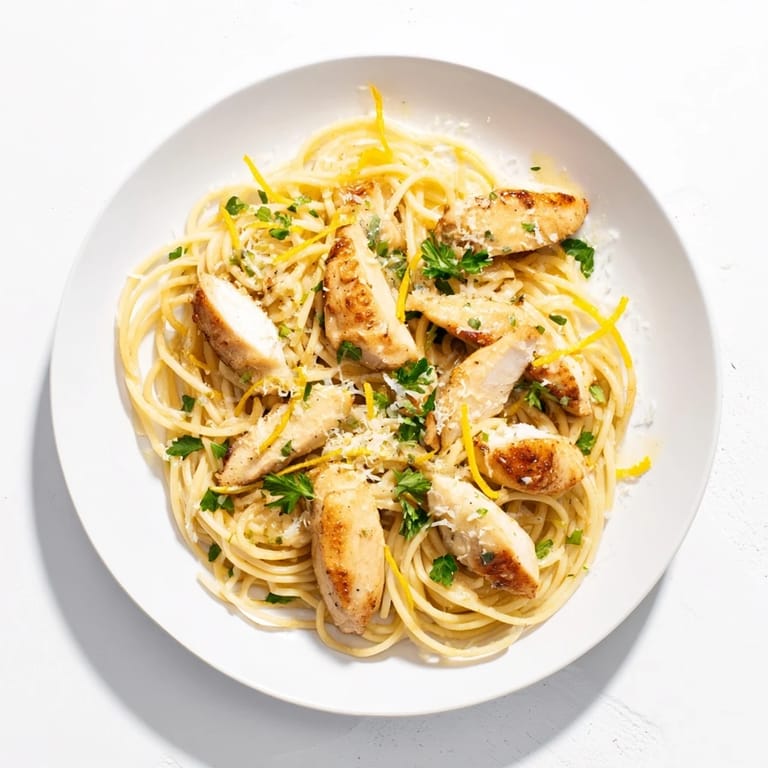
The perfect consistency should cling to the pasta without being thick or gloppy. If the sauce feels too thin, keep tossing over low heat for another minute. If it is too thick, add more pasta water a tablespoon at a time. The residual heat will help everything come together beautifully.
- Reserve more pasta water than you think you need, it is better to have extra than not enough
- The sauce will continue to thicken as it stands off the heat
- Room temperature pasta water incorporates more easily than cold water
 Save
Save There is something deeply satisfying about a dish that comes together this quickly yet tastes this special. I hope this becomes one of those recipes you turn to again and again.
Recipe FAQs
- → What does browning butter do for this dish?
Browning butter develops a deep, nutty flavor that elevates the entire dish. As the butter melts and the milk solids caramelize, you get a rich, complex taste that simple melted butter cannot provide. This technique adds sophistication while keeping preparation straightforward.
- → How do I prevent the chicken from drying out?
Slice boneless, skinless chicken breasts into strips rather than leaving them whole—thinner pieces cook faster and more evenly. Sear them quickly over medium-high heat until golden (3–4 minutes per side), then remove them from the pan. This prevents overcooking and keeps the meat tender and juicy.
- → What if my brown butter burns?
If your butter turns dark brown or smells acrid, start over with a fresh batch. Watch the pan carefully during browning—it happens quickly. Lower the heat slightly if needed, and listen for the nutty aroma. Once it reaches golden brown, immediately add garlic and lemon zest to stop the cooking process.
- → Can I make substitutions for dietary preferences?
Absolutely. Shrimp works beautifully as a protein substitute and cooks even faster than chicken. For a vegetarian version, omit the chicken and add roasted vegetables like mushrooms, zucchini, or bell peppers. You can also reduce the Parmesan slightly if needed and adjust seasoning to taste.
- → Why reserve pasta cooking water?
Pasta water contains starch that helps emulsify and thicken the sauce, creating a silky coating that clings to the spaghetti. Adding it gradually gives you control over the sauce consistency—you can make it glossy and light or richer depending on preference.
- → What wine pairs best with this dish?
Crisp, acidic white wines complement the bright lemon and rich brown butter beautifully. Sauvignon Blanc and Pinot Grigio are ideal choices—their acidity cuts through the richness while their citrus notes echo the lemon in the sauce.