 Save
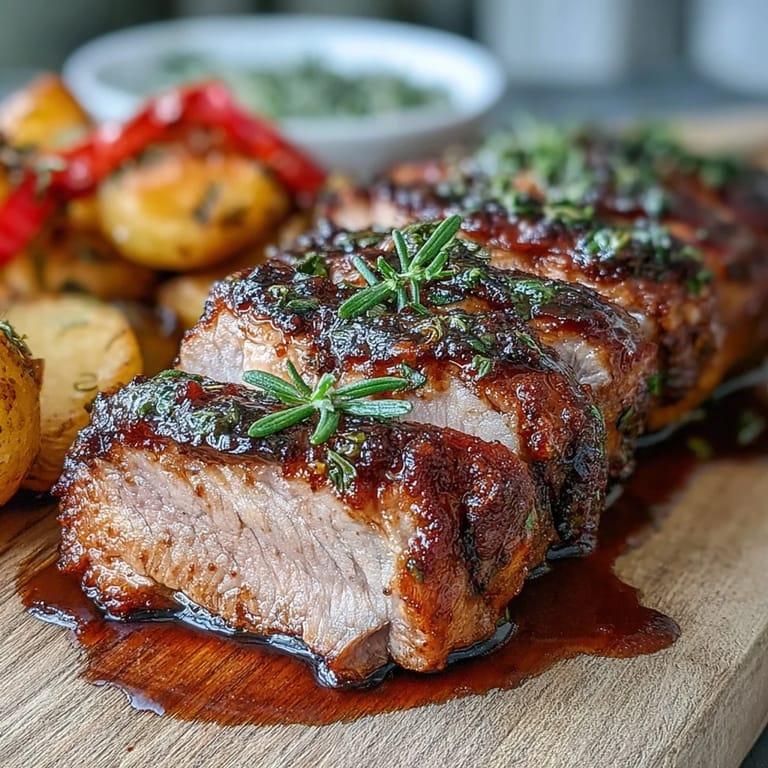
Save The smell of smoked paprika and rosemary hit me the moment I opened the fridge that Sunday morning, and I knew the pork had been worth the wait. I'd picked up the Ibérico fillet on a whim at the market the day before, remembering how a chef in Seville once told me that patience with good meat always pays off. By the time it came out of the oven, golden and glistening, my kitchen smelled like a tiny corner of Spain. The potatoes were crackling in their own tray, and the red peppers had turned soft and sweet. It was one of those meals that made me stop, sit down, and actually taste every bite.
I made this for my sister's birthday dinner last spring, and she still talks about it. She's not usually one to ask for recipes, but she texted me the next day asking for the marinade proportions. I think it was the combination of the crispy potatoes and the way the pork sliced so cleanly that got her. We ended up sitting at the table long after the plates were empty, just talking and sipping Rioja. That's the kind of meal this is—it invites you to linger.
Ingredients
- Ibérico pork fillet: This is the star, with its rich marbling and nutty flavor that sets it apart from regular pork; if you can't find it, a good quality tenderloin works, but try to get the Ibérico if you can.
- Extra virgin olive oil: Use a fruity Spanish olive oil if possible, as it adds depth to the marinade and ties the whole dish together.
- Garlic: Fresh cloves, minced fine, mellow out overnight in the marinade and create a savory backbone without overpowering the pork.
- Fresh rosemary: Chop it finely so it clings to the meat; I learned the hard way that whole sprigs can burn and turn bitter in the pan.
- Smoked paprika: This is pimentón, the smoky, slightly sweet spice that makes everything taste like it came from a wood-fired oven.
- Lemon zest and juice: The brightness cuts through the richness of the pork and keeps the marinade from feeling heavy.
- New potatoes: Their thin skins crisp up beautifully, and they hold their shape better than larger potatoes when roasted at high heat.
- Red bell peppers: Roasting them until they're soft and caramelized brings out their natural sweetness, which balances the smoky, savory pork.
- Fresh thyme: A handful of leaves tossed with the potatoes adds an earthy, herbal note that smells incredible as it roasts.
Tired of Takeout? 🥡
Get 10 meals you can make faster than delivery arrives. Seriously.
One email. No spam. Unsubscribe anytime.
Instructions
- Marinate the Pork:
- Whisk together the olive oil, garlic, rosemary, smoked paprika, lemon zest, lemon juice, salt, and pepper in a bowl until it smells like a Spanish hillside. Rub the marinade all over the pork fillet, cover it tightly, and let it sit in the fridge overnight so the flavors soak deep into the meat.
- Prepare the Oven:
- Crank your oven up to 220°C (425°F) and let it get fully hot. A properly preheated oven is the difference between crispy potatoes and sad, pale ones.
- Roast the Potatoes:
- Toss the quartered potatoes with olive oil, salt, pepper, smoked paprika, and thyme until every piece is coated. Spread them out on a baking tray in a single layer and roast for 35 to 40 minutes, giving them a good stir halfway through so they brown evenly.
- Roast the Red Peppers:
- On a separate tray, toss the pepper strips with olive oil, garlic slices, and a pinch of salt. Slide them into the oven for 20 to 25 minutes until they're tender and starting to char at the edges.
- Cook the Pork:
- Take the pork out of the marinade and pat it dry with paper towels; this helps it sear instead of steam. Heat a tablespoon of olive oil in an ovenproof skillet over medium-high heat, then sear the fillet for 2 to 3 minutes per side until it's deeply browned, then pop the whole skillet into the oven and roast for 12 to 15 minutes until it hits 63°C inside; let it rest for 5 minutes before slicing.
- Serve:
- Slice the pork into thick medallions and arrange them on plates with the crispy potatoes and sweet peppers. Drizzle any pan juices over the top for extra richness.
 Save
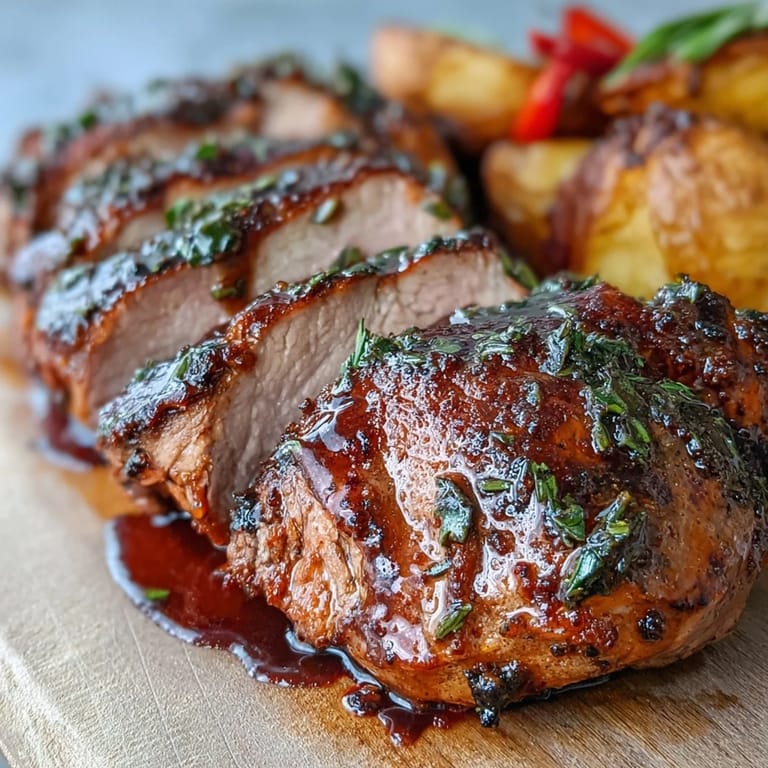
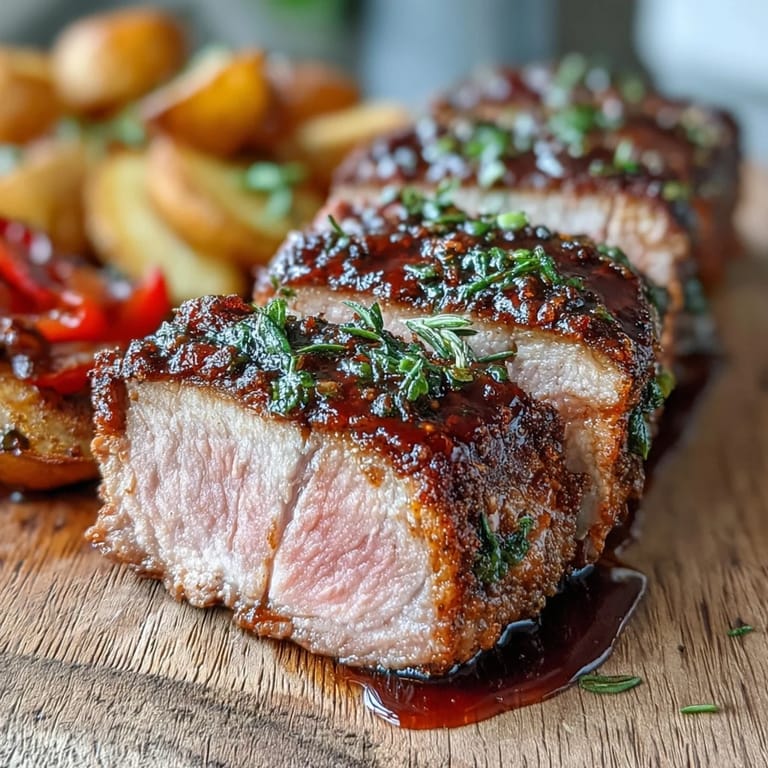
Save There's something about slicing into that pork and seeing the perfect pink center that makes you feel like you've pulled off something special. I remember serving this to friends who didn't cook much, and they kept asking how I got the meat so tender. The truth is, the marinade and a good meat thermometer do most of the work. It's one of those dishes that looks impressive but doesn't ask too much of you, which is exactly the kind of cooking I love.
Choosing Your Pork
If you can find true Ibérico pork, grab it. The flavor is nutty and rich, with a texture that's almost buttery when cooked right. I've also made this with regular pork tenderloin when I couldn't find Ibérico, and it still turns out beautifully; just keep an eye on the internal temperature since leaner cuts can dry out faster. Look for meat that's a deep pink color with a bit of marbling, and avoid anything that looks pale or watery.
Timing Your Roast
The potatoes take the longest, so get them in first. About halfway through their roasting time, add the peppers, and then start your pork on the stovetop when the potatoes have about 15 minutes left. This way, everything finishes around the same time and you're not scrambling to keep things warm. I used to try to do it all at once and ended up with cold potatoes or overcooked pork, so trust me, stagger your timing.
Serving and Storing
This dish is best served hot, straight from the oven, with a drizzle of the pan juices over the sliced pork. If you have leftovers, store the pork, potatoes, and peppers separately in airtight containers in the fridge for up to three days. The pork slices make incredible sandwiches with a bit of arugula and mustard, and the potatoes reheat beautifully in a hot skillet with a little extra olive oil.
- Warm the pork gently in a low oven to avoid drying it out.
- The peppers can be eaten cold in a salad or warmed up with the potatoes.
- A squeeze of fresh lemon over everything before serving brightens up the flavors beautifully.
 Save
Save This is the kind of meal that makes your kitchen smell like somewhere you'd want to eat, and your table feel like a celebration. Whether it's a Tuesday or a special occasion, it always feels like you've done something worth savoring.
Recipe FAQs
- → Can I use regular pork tenderloin instead of Ibérico?
Yes, regular pork tenderloin works well as a substitute. Keep in mind it may be slightly leaner, so monitor cooking time carefully to avoid overcooking. The marinade will still infuse excellent flavor.
- → How long should I marinate the pork fillet?
Marinate the pork overnight or for a minimum of 8 hours. This allows the garlic, rosemary, and smoked paprika to penetrate the meat thoroughly, resulting in deeper flavor and tenderness.
- → What internal temperature should the pork reach?
Aim for an internal temperature of 63°C (145°F) for perfectly cooked, slightly pink pork. Always rest the meat for 5 minutes after roasting to allow juices to redistribute before slicing.
- → Can I prepare the potatoes ahead of time?
You can parboil and season the potatoes up to 4 hours in advance, then roast them just before serving. This ensures they stay crispy and golden while streamlining your cooking process.
- → What wine pairs best with this dish?
A Spanish Rioja complements the smoked paprika and pork beautifully. Alternatively, try a Tempranillo or Garnacha for wines that match the Mediterranean flavors of rosemary and roasted peppers.
- → How do I prevent the pork from drying out?
Pat the pork dry before searing to achieve a good crust, then avoid overcooking by using a meat thermometer. Resting the meat after roasting is crucial for retaining moisture and juiciness.