 Save
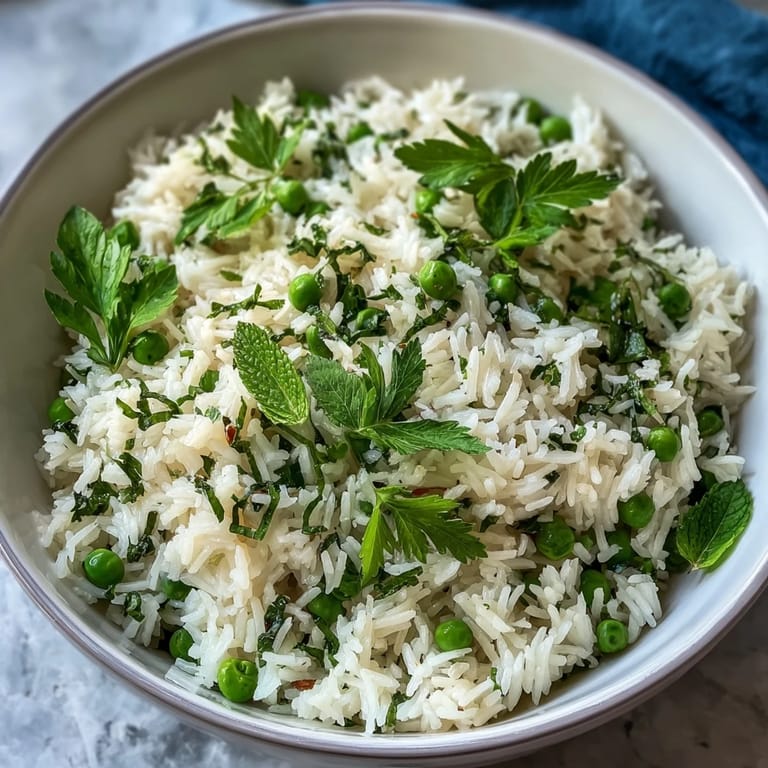
Save There's something about the first warm afternoon of spring that makes me want to cook something green and alive. I was standing in the farmers market one April morning, drawn to a pile of impossibly tender pea shoots, when a woman next to me mentioned how she'd just started growing mint in her window box. That chance conversation led me to experiment with pairing fresh mint and spring peas in rice, and what emerged was this luminous pilaf that tastes like the season itself—delicate but deeply satisfying.
I made this the night my sister came home after being away for months, and she took one bite and teared up a little—not because it's that emotional, but because it tasted like spring arriving, like green things growing after winter. That's when I realized this pilaf isn't just a side dish; it's a small moment of brightness that can make someone feel seen and cared for.
Ingredients
- Long-grain white rice (1 cup): Basmati or jasmine work beautifully here because they stay separate and absorb flavors without getting mushy; I learned this after years of making sticky rice disasters.
- Low-sodium vegetable broth (2 cups): The quality matters—a thin, underseasoned broth will disappear into the background, so taste it first and choose something you'd actually drink.
- Fresh or frozen spring peas (1 cup): If you can find fresh peas, split them open yourself and taste the raw sweetness; frozen works just as well and sometimes tastes fresher than what's sitting in produce.
- Yellow onion (1 small, finely chopped): This is your flavor foundation, so don't skip the caramelizing step even though it's just two minutes.
- Unsalted butter (2 tablespoons): Use real butter here—it carries the aromatics better than oil alone, though you can split it with olive oil if you're leaning lighter.
- Garlic (2 cloves, minced): Those 30 seconds of cooking is exactly right; any longer and it turns bitter and loses its brightness.
- Fresh mint leaves (1/2 cup, finely chopped): The mint should go in at the end so it stays vibrant and fragrant rather than cooking down into muted green shadows.
- Fresh flat-leaf parsley (2 tablespoons, optional): I add this because it gives the mint something to lean against, preventing any single herb from overwhelming the dish.
- Lemon zest (1 teaspoon): This is the ingredient that wakes everything up—don't use bottled juice, and make sure to zest before you cut the lemon in half.
- Salt and black pepper (1/2 teaspoon and 1/4 teaspoon): Taste as you go because the broth already carries salt and you don't want to overdo it.
Tired of Takeout? 🥡
Get 10 meals you can make faster than delivery arrives. Seriously.
One email. No spam. Unsubscribe anytime.
Instructions
- Rinse the rice until the water runs clear:
- This removes excess starch that would otherwise make the pilaf gummy. Hold the strainer under cold running water and swish the rice with your fingers—you'll feel when it shifts from chalky to smooth.
- Bloom the onion in butter:
- Melt butter over medium heat and add the chopped onion, cooking for 2 to 3 minutes until it becomes translucent and soft. The kitchen will smell sweet and buttery, which means you're on the right track.
- Add garlic and toast briefly:
- Stir in the minced garlic and cook for just 30 seconds—you want to release its aroma without letting it turn golden and bitter. This is one of those moments where timing feels small but makes a real difference.
- Toast the rice in the butter:
- Add the rinsed rice and stir constantly for about a minute, coating each grain in the butter and aromatics. This small step gives the rice a subtle nutty flavor that raw rice simply doesn't have.
- Add broth and bring to a boil:
- Pour in the vegetable broth, season with salt and pepper, and let it come to a rolling boil over medium-high heat. Watch the surface tension change as the liquid heats—it's a good signal that things are progressing.
- Cover and simmer low:
- Reduce the heat to low, cover the saucepan, and let it cook undisturbed for 15 minutes. Resist the urge to peek; you want the steam to stay trapped inside doing its work.
- Add peas and finish cooking:
- After 15 minutes, stir in the peas (frozen or fresh, it doesn't matter) and cover again for 5 more minutes. The rice will absorb the remaining liquid and become tender, and the peas will warm through perfectly.
- Rest the pilaf:
- Remove from heat and let it sit covered for 5 minutes—this gentle resting period lets the rice relax and settle into the best texture. It's a small pause that yields big results.
- Fluff and finish with herbs:
- Use a fork to gently separate the grains, then stir in the fresh mint, parsley, and lemon zest while everything is still warm. The heat will release the mint's essential oils without cooking away its brightness.
 Save
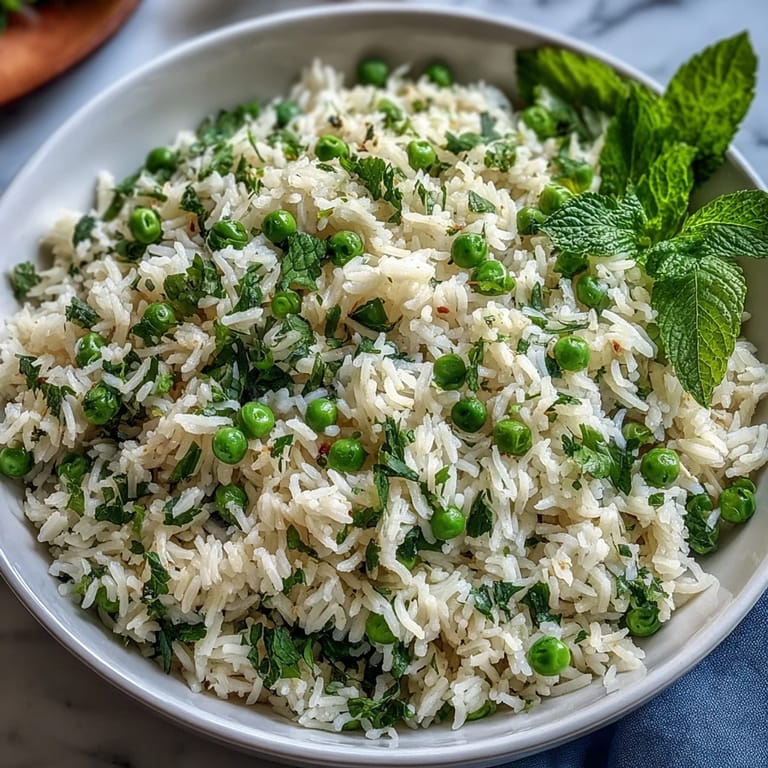
Save My neighbor brought her young daughter over one evening and the little girl actually asked for seconds, which never happens. She pointed at her plate and said she liked the "sparkly green bits," meaning the mint leaves. That's when I understood that this pilaf works because it honors simplicity while still feeling like you made something special.
When to Serve This Pilaf
This is the kind of side dish that shines alongside roasted ham, grilled chicken, or baked salmon—anything rich enough to benefit from the pilaf's brightness. I've also served it at room temperature as part of a spring mezze spread, and guests came back to it again and again. It's one of those rare dishes that feels equally at home at a casual dinner or a slightly more thoughtful meal.
Make-Ahead Strategy
You can absolutely cook this pilaf a few hours ahead and gently reheat it. I do this by transferring the cooled rice to a covered bowl, then warming it slowly in a saucepan with a splash of extra broth stirred in, which brings it back to life without drying it out. The mint and lemon should still go in just before serving so they maintain their vibrant edge.
Playing with Variations
Once you understand the basic structure, this pilaf becomes a canvas for whatever you have on hand or whatever the season offers. In summer I've added corn and basil; in early fall I've used scallions and chives. The method stays exactly the same, but the pilaf tastes completely different depending on what herbs and vegetables you choose.
- Try mixing half olive oil with half butter for a lighter, more Mediterranean feel that still carries all the flavor.
- Add a handful of toasted pine nuts or chopped almonds right before serving for unexpected texture and richness.
- If you have homemade vegetable broth, this is the perfect moment to use it because nothing else will mask inferior broth quality.
 Save
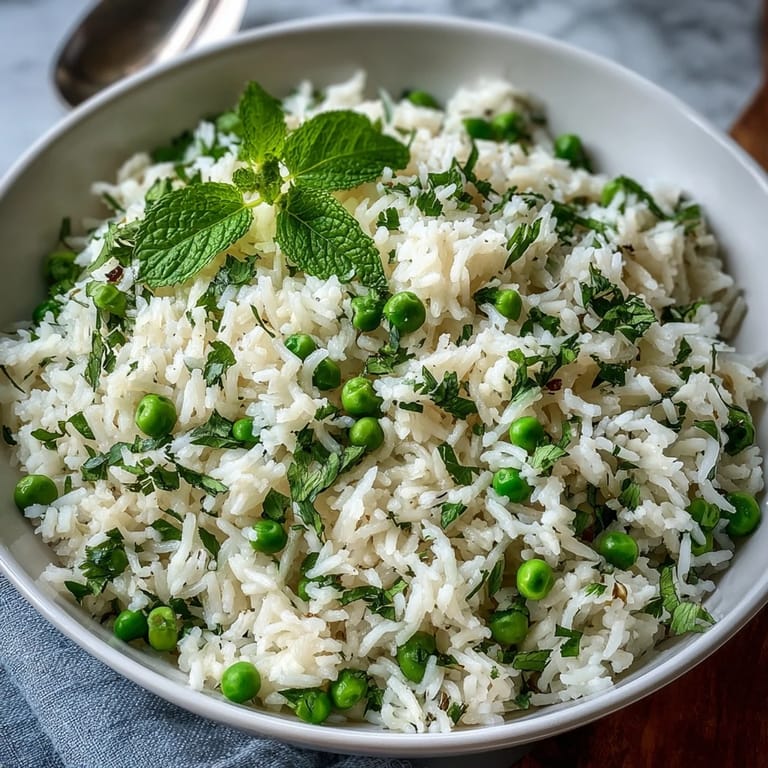
Save This pilaf taught me that the best spring dishes don't need to be complicated—they just need to taste like the season and be made with real attention. It's the kind of thing that disappears from the table without ceremony, which is always a good sign.