 Save
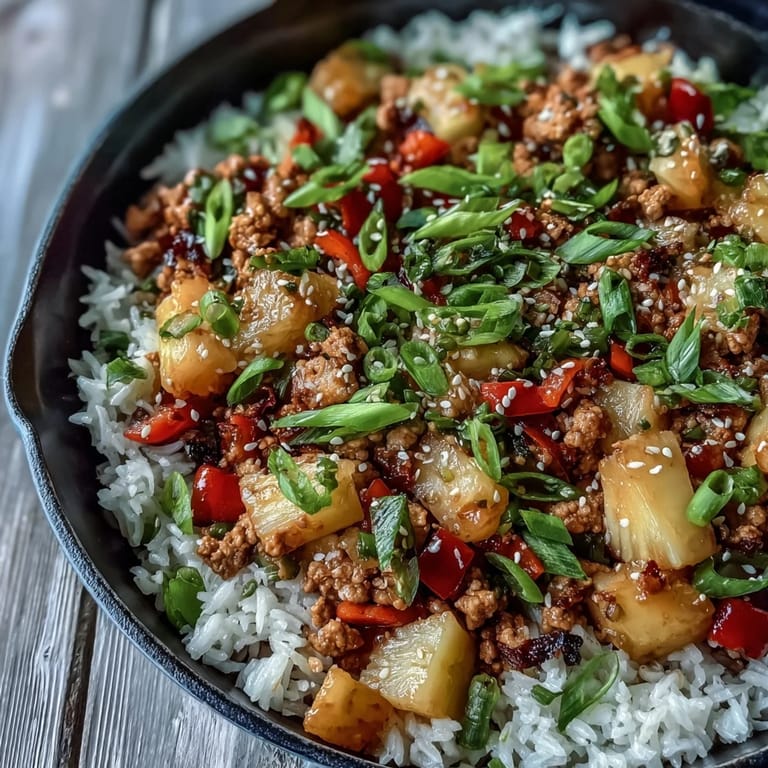
Save My neighbor brought over a container of gochujang one autumn evening, insisting I had to try it in something beyond kimchi. That jar sat on my shelf for weeks until I was staring down a Thursday night with ground turkey, leftover rice, and the tail end of a pineapple. Something clicked—what if I treated sweet-and-sour like a canvas for those bold Korean flavors? Twenty-five minutes later, my kitchen smelled like toasted garlic and caramelized fruit, and suddenly this one-pan meal became the thing I kept making on repeat.
I made this for my coworker's potluck, and she ate three servings before asking for the recipe. What struck me most was watching people who usually pick at rice dishes actually go back for seconds—the brightness of the pineapple and that slight heat from the gochujang just makes everything feel alive and intentional, not like something thrown together.
Ingredients
- Ground turkey (1 lb): The lean protein base that browns quickly and absorbs all those bold flavors without overpowering them.
- Yellow onion (1 medium, diced): Builds sweetness as it softens, becoming almost caramelized by the time the sauce hits the pan.
- Red and green bell peppers (1 each, chopped): Keep their slight crunch and add visual pop and natural sweetness that balances the heat.
- Garlic cloves (3, minced): Releases its fragrant oils quickly in the hot skillet, anchoring everything with depth.
- Pineapple chunks (1 cup, fresh or canned drained): The soul of this dish—juicy, bright, and the reason this doesn't taste like typical fried rice.
- Green onions (2, sliced): Added fresh at the end, they bring a sharp, clean finish that cuts through the richness.
- Jasmine or long-grain rice (2 cups cooked, day-old preferred): Day-old rice is drier and won't clump; it fries up fluffy instead of mushy.
- Vegetable oil (2 tbsp): The neutral medium that lets the skillet get hot enough to properly brown the turkey.
- Soy sauce (2 tbsp, low sodium preferred): Your salt anchor without drowning out the other players.
- Gochujang (1 tbsp): The secret ingredient that makes this Korean-inspired rather than generic—umami, heat, and complexity in one spoonful.
- Rice vinegar (2 tbsp): Cuts through the sweetness and adds a subtle tang that makes your palate want more.
- Brown sugar (2 tbsp): Melds with the pineapple and vinegar to create that classic sweet-and-sour balance.
- Tomato ketchup (1 tbsp): Adds subtle earthiness and a touch more body to the sauce without announcement.
- Sesame oil (1 tsp): Just enough to finish with toasted, nutty fragrance that lifts the entire dish.
- Toasted sesame seeds (1 tsp, optional): A garnish that adds textural contrast and visual intent to every bite.
Tired of Takeout? 🥡
Get 10 meals you can make faster than delivery arrives. Seriously.
One email. No spam. Unsubscribe anytime.
Instructions
- Get your pan singing:
- Heat vegetable oil in your largest skillet over medium-high heat until it shimmers and moves easily. Add the ground turkey and let it sit for a minute before breaking it up with your spoon—this lets it brown instead of steam.
- Build the base:
- Once the turkey is mostly cooked through, add your diced onion, both bell peppers, and garlic. The vegetables should sizzle the moment they hit the hot pan, and you'll smell the garlic wake up immediately.
- Welcome the fruit:
- Toss in the pineapple chunks and let them warm through for just a minute or two, releasing their juice into the pan. Don't skip this step—it's where magic starts happening.
- Mix your sauce:
- In a small bowl, whisk soy sauce, gochujang, rice vinegar, brown sugar, ketchup, and sesame oil until the gochujang dissolves and everything is smooth. Pour it into the skillet and stir until every piece is glossy and coated.
- Bring the rice home:
- Fold in your cooked rice, breaking up any clumps with your spoon as you go. Stir-fry for a few minutes until the rice is heated through and starts to catch slightly on the bottom of the pan—that's where the best flavor hides.
- Taste and adjust:
- Stop and actually taste it before serving, balancing heat, salt, and sweetness to your preference. This is your moment to own the dish.
- Finish with intention:
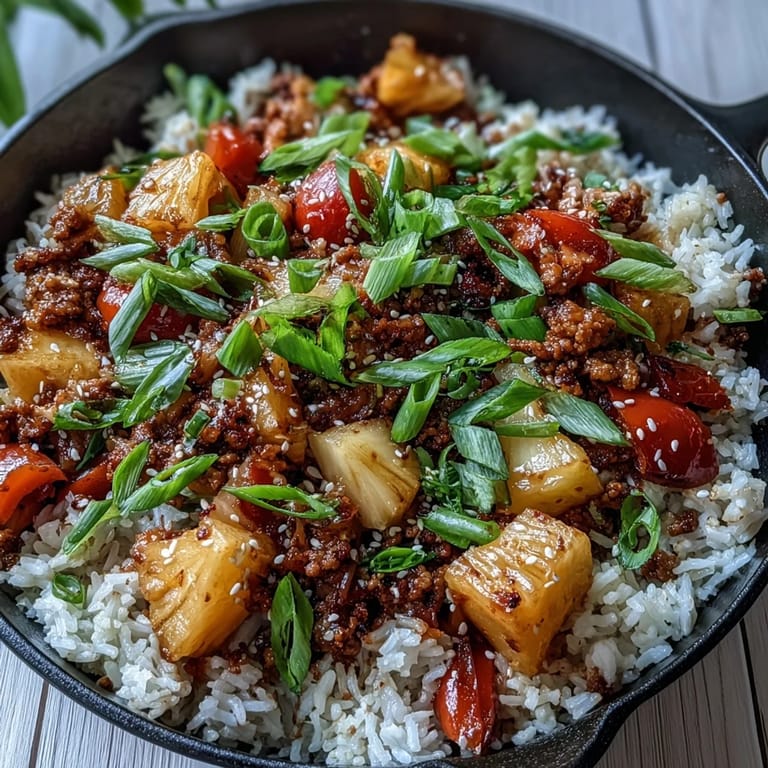
- Remove from heat, scatter green onions and sesame seeds across the top, and serve while the steam is still rising. That's when it tastes best.
 Save
Save My daughter, who usually wrinkles her nose at anything with visible vegetables, asked for seconds and actually ate the peppers without picking them out. That's when I realized this dish does something most fusion food doesn't—it feels both adventurous and comforting at the same time, familiar enough not to intimidate and bold enough to feel special.
The Gochujang Question
Gochujang intimidates people, but it shouldn't. It's essentially fermented chilies, garlic, and salt that's been sitting around getting funky and delicious. In this dish, it's not meant to set your mouth on fire—it's meant to whisper about depth and slight warmth while the sweetness keeps you coming back. If you can't find it at your regular grocery store, most Asian markets carry it, and one jar lasts forever in your fridge. Start with the recommended amount and add more next time if you want heat.
Why This Works as a One-Pan Meal
There's something satisfying about cooking everything in the same vessel—the turkey browns and seasons the oil, then the vegetables soften in that flavorful fat, then the pineapple juice mixes with the sauce, and finally the rice soaks it all up. By the time everything is combined, every grain of rice carries a little piece of every ingredient. It's not just efficiency; it's how the flavors actually build and connect with each other.
Making It Your Own
This recipe is a template more than a rulebook. I've made it with chicken, pork, and even tofu for a vegetarian friend who said it was better than any takeout she'd had. The sauce stays the same, but the canvas changes based on what you have or what you're in the mood for. That's the real gift of a recipe like this—it teaches you a flavor combination you can trust, then gets out of your way.
- Add cashews or peanuts for crunch if you want something more textured and indulgent.
- Swap the pineapple for fresh mango or even diced apple if that's what you have, and adjust the sugar slightly.
- Serve over cauliflower rice or quinoa if you want to shift the nutrition without losing the soul of the dish.
 Save
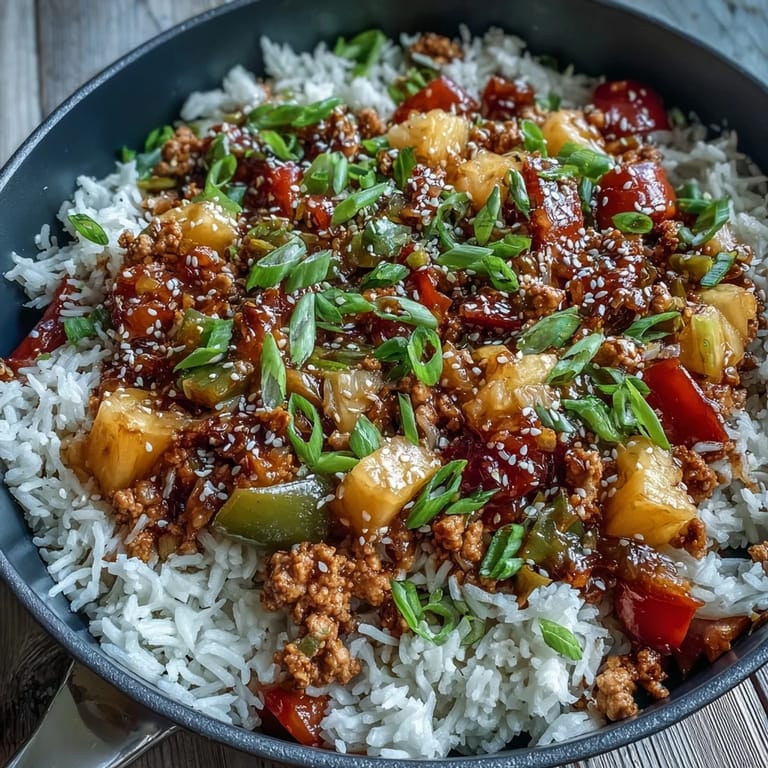
Save This skillet has become my answer to Wednesday nights when everyone needs something fast but nobody wants to settle for boring. It's proof that one pan, a handful of good ingredients, and a willingness to play with unexpected flavor combinations can turn a regular dinner into something worth remembering.
Recipe FAQs
- → Can I use fresh pineapple instead of canned?
Fresh pineapple works beautifully and adds even more vibrant flavor. Just dice it into bite-sized chunks and add it during the same step as canned pineapple.
- → Why is day-old rice preferred?
Day-old rice has dried out slightly, which prevents it from becoming mushy during stir-frying. Freshly cooked rice can be used but may be stickier.
- → What can I substitute for gochujang?
Sriracha or red pepper flakes mixed with a touch of miso paste can mimic the heat and depth. For a milder version, use additional tomato ketchup.
- → Is this dish freezer-friendly?
Yes! Cool completely and store in airtight containers for up to 3 months. Reheat in a skillet with a splash of water to refresh the rice.
- → Can I make this vegetarian?
Crumble firm tofu or use plant-based ground meat alternative. Adjust cooking time as tofu needs less browning than turkey.
- → How spicy is this dish?
With one tablespoon of gochujang, it offers mild to medium heat. Increase the amount or add red pepper flakes for more spice.