 Save
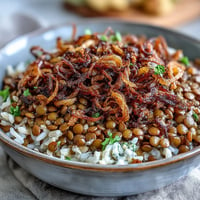
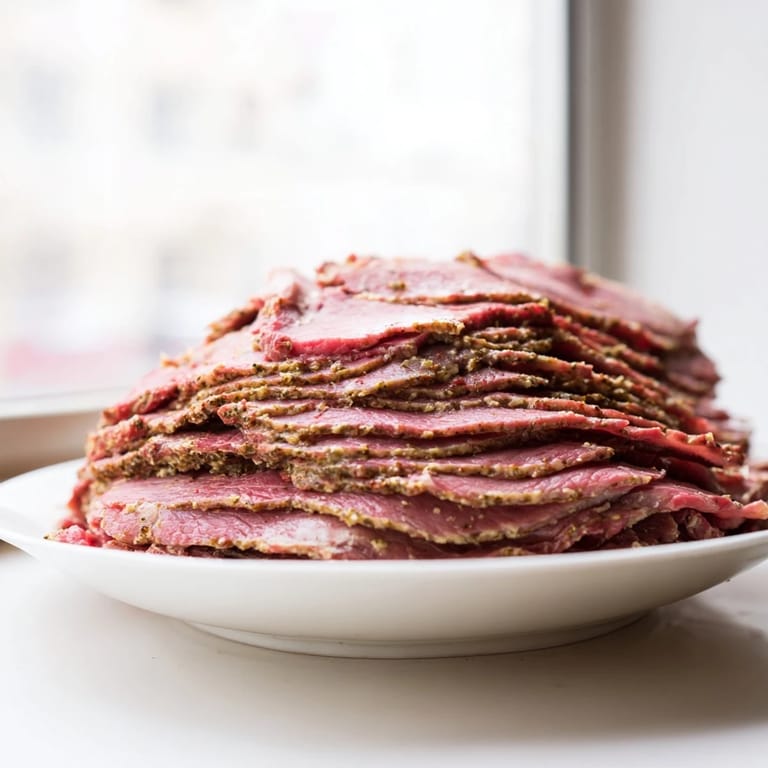
Save There's something mesmerizing about watching meat transform on a vertical spit, and the first time I tasted authentic döner was in a small Istanbul alley where the cook had been working the same station for thirty years. The paper-thin slices fell into my pita still warm, carrying the complex layers of cumin, coriander, and something I couldn't quite name but kept coming back for. Years later, I realized I could build those same smoky, tender layers at home by stacking marinated meat and letting the oven do what a spit would do. This version skips the rotisserie but keeps every bit of the flavor that made me crave it in the first place.
I made this for friends on a cold evening, and watching everyone's faces as they took their first bite reminded me why simple, honest food matters so much. Someone asked for the recipe before they'd even finished eating, and another friend started planning when she could make it next. That's when I knew this wasn't just good—it was the kind of dish people remember and ask you to make again.
Ingredients
- Lamb shoulder or beef sirloin, thinly sliced (1 kg): The thinner you slice it, the faster it marinates and the better it cooks; ask your butcher to slice it on the meat slicer for perfectly thin, even pieces that will layer beautifully.
- Lamb fat or beef fat, thinly sliced (100 g, optional): This is what makes the difference between good döner and authentic döner; it melts into the meat and keeps everything moist, but you can skip it if you prefer something leaner.
- Greek yogurt (150 g): Full-fat yogurt is key because it's thick enough to cling to the meat and acidic enough to truly tenderize without making things mushy.
- Olive oil (3 tbsp): Use good quality oil—it carries flavor and helps everything brown properly in the oven.
- Garlic and grated onion: The onion should be grated and squeezed dry so you get the flavor without extra moisture pooling in your marinade.
- Ground cumin, coriander, and paprika (2 tsp each): Toast these in a dry pan for thirty seconds before mixing if you want them to taste even more vibrant, but it's not essential.
- Smoked paprika, cinnamon, and black pepper: These three work together to create that warm, slightly sweet undertone that makes döner taste like döner and nothing else.
Tired of Takeout? 🥡
Get 10 meals you can make faster than delivery arrives. Seriously.
One email. No spam. Unsubscribe anytime.
Instructions
- Mix the Marinade:
- Combine the yogurt, olive oil, minced garlic, grated onion, and all the spices in a large bowl, stirring until everything is smooth and evenly colored. Taste it and adjust salt if needed—the marinade should be boldly seasoned because it's about to flavor over a kilogram of meat.
- Marinate the Meat:
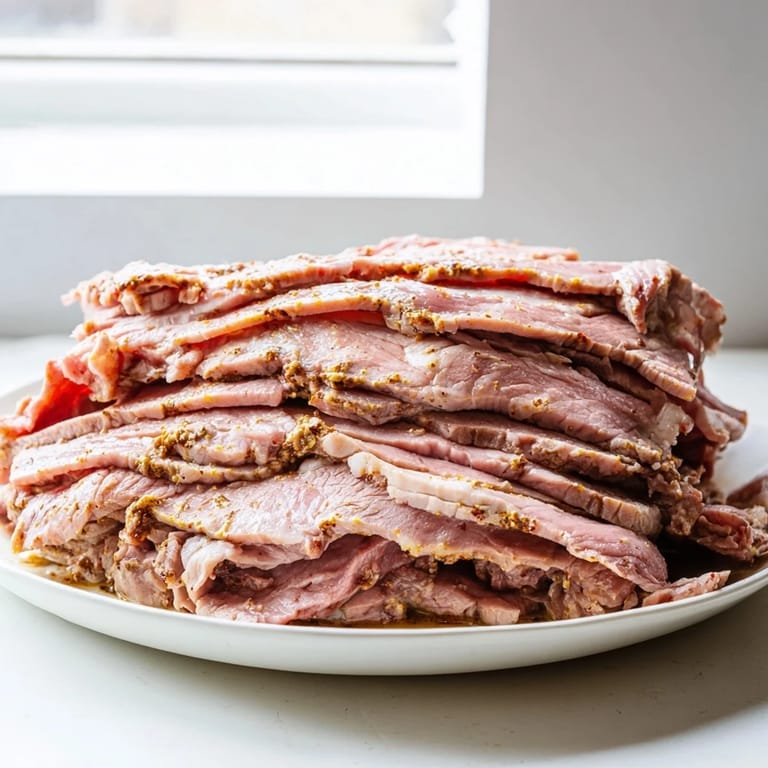
- Add your sliced meat and fat to the bowl, using your hands to coat every piece generously with the marinade. Cover tightly and refrigerate for at least four hours, but overnight is even better—the flavors deepen and the meat becomes noticeably more tender.
- Prepare Your Setup:
- Preheat your oven to 200°C and position a rack in the upper third with a baking tray on the rack below to catch the juices. If you're using metal skewers, run them under cold water and lay them out; if using a loaf pan, lightly oil it.
- Stack and Press the Meat:
- Thread the marinated meat and fat onto skewers, pressing each piece down firmly so everything forms a compact, tightly packed tower. The tighter you pack it, the better it holds together and the more it will brown on the edges.
- Roast and Baste:
- Place your skewers on the rack (or transfer the pressed meat from the loaf pan to the rack) and roast for about one hour, spooning the pan juices over the meat every twenty minutes or so. During the last fifteen minutes, crank the heat up to 220°C for deeper browning.
- Rest and Slice:
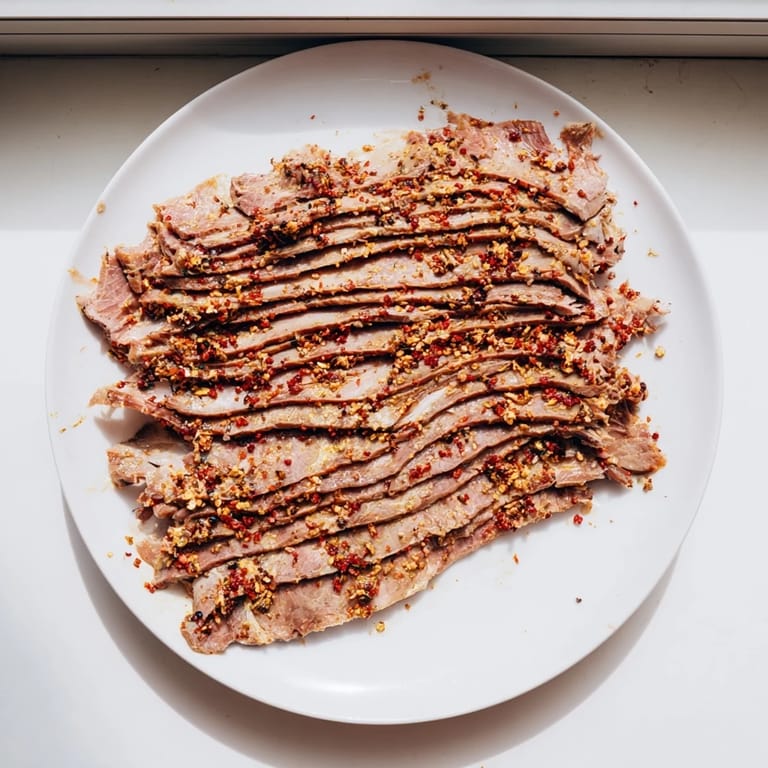
- Pull everything from the oven and let it rest for ten minutes—this keeps the juices from running everywhere when you cut. Using a very sharp knife, slice the meat as thin as you possibly can, and serve right away while everything is still warm.
 Save
Save The smell that fills your kitchen as this roasts is almost overwhelming in the best way—warm spices mixing with caramelized meat and onion. It's the kind of smell that makes everyone ask what you're cooking and whether they're invited for dinner.
Building Your Perfect Döner
The real magic happens after the meat is sliced, when you get to assemble your plate exactly how you want it. Warm your flatbread just until it's pliable, pile in the meat while it's still hot, then add cool fresh toppings so you get that contrast of temperatures and textures that makes döner so satisfying. The yogurt sauce or garlic sauce should be spread on the bread first so it gets warm from the meat but stays creamy.
Storage and Leftovers
Leftovers are a gift in this case—the flavors actually deepen as things cool, and you can gently reheat slices in a pan with a splash of water to bring back the moisture. It's the rare recipe where day-two tastes almost as good as day-one, which is why I often make this when I know I'll be eating lunch alone all week.
Pairing and Serving Ideas
This deserves sides and drinks that respect its bold flavors without competing with them. A crisp white wine from Turkey itself, or the traditional buttermilk drink Ayran, cuts through the richness beautifully and makes everything taste cleaner. You could also serve it over rice with a simple tomato salad on the side, or shred the meat and toss it into a grain bowl if you're looking for something a little lighter.
- Always slice the meat as thin as physically possible—this is what separates good döner from the real thing.
- If you don't have a sharp knife, the night before is the perfect time to get one sharpened because trying to slice through this meat with a dull blade is frustrating and unsafe.
- The fat is optional but honestly worth it if you can find it; it's what makes the meat glisten and taste truly complete.
 Save
Save This is the kind of recipe that tastes like travel and care, something that fills you up not just physically but emotionally. Once you make it once, you'll understand why people line up for döner at lunch.
Recipe FAQs
- → What is the best cut of meat for Turkish döner?
Boneless lamb shoulder or beef sirloin thinly sliced work well, offering tenderness and flavor when marinated and cooked slowly.
- → How long should the meat marinate?
Marinate the meat for at least 4 hours, ideally overnight, to fully absorb the spices and tenderize.
- → Can I use an oven instead of a vertical rotisserie?
Yes, threading the meat on skewers or layering in a loaf pan and roasting in the oven replicates the texture effectively.
- → What spices are essential in the marinade?
Ground cumin, coriander, sweet and smoked paprika, garlic, and a hint of cinnamon create the distinctive flavor profile.
- → What are recommended accompaniments?
Serve with warm flatbreads, fresh sliced tomatoes, onions, cucumbers, shredded lettuce, and yogurt or garlic sauce for balance.
- → How should leftovers be reheated?
Gently warm leftovers in a pan or oven to preserve moisture and flavor without drying out the meat.