 Save
Save My kitchen got turned upside down the afternoon my roommate came home with a bag of sweet potatoes and declared she was done with bread. I laughed, naturally, but then I watched her slice one lengthwise, brush it with oil, and slide it into the oven. Twenty minutes later, when that slice emerged golden and fork-tender, I understood the revelation. It wasn't about abandoning toast—it was about discovering something warmer, sweeter, and honestly more fun to build on.
There was this Sunday when I made sweet potato toast for four people with wildly different eating styles—one vegetarian, one trying paleo, one with a sweet tooth that could power a small city. Instead of cooking four different breakfasts, I just set out the roasted slices and let everyone build their own thing. The quiet focus around the kitchen counter, the little exclamations when someone found an unexpected pairing, made me realize this dish had accidentally become a conversation starter.
Ingredients
- Sweet potatoes: Look for ones that feel heavy and firm with no soft spots—they roast more evenly and develop that slightly caramelized sweetness that makes all the difference.
- Olive oil: A light drizzle coaxes out the natural sugars and helps the edges crisp up beautifully without drying the inside out.
- Salt: Just a pinch pulls everything together and prevents the slices from tasting flat or one-dimensional.
- Avocado: Slice it right before assembly so it stays creamy and doesn't turn that sad grayish-brown.
- Cottage cheese: The tangy creaminess cuts through richness and gives you a protein boost that actually keeps you full.
- Cherry tomatoes: Halve them for better grip on each bite and so the slight tartness doesn't overwhelm.
- Peanut butter: Choose natural if you can—the oils spread easier when the toast is still warm, and the flavor tastes less processed and more honest.
- Banana: Slice it thin and lay the pieces at a slight angle so they don't slide around or squish under their own weight.
- Granola: Add it last, right before eating, or it'll absorb moisture and lose that satisfying crunch you're counting on.
- Honey: Warm honey flows better than cold, so either let it sit in the sun for a minute or drizzle it over the still-warm toast.
- Hard-boiled eggs: Slice them while they're still cool enough to hold their shape but warm enough that the yolks taste creamy and alive.
- Chives: Chop fresh right from the fridge and scatter them on last so they stay bright green and punchy instead of wilting.
- Hummus: Spread it thin or you'll overpower the sweet potato—think of it as a base layer, not the main event.
- Feta cheese: Crumble it with your fingers so you get irregular chunks that hit different spots on each bite.
- Chili flakes: Start with a quarter teaspoon and taste as you go—heat builds fast and you can always add more.
- Fresh herbs: Parsley brings brightness, cilantro adds a citrusy kick, and basil tastes almost like you're cooking on Mediterranean time.
Tired of Takeout? 🥡
Get 10 meals you can make faster than delivery arrives. Seriously.
One email. No spam. Unsubscribe anytime.
Instructions
- Get your oven ready:
- Preheat to 400°F while you gather everything else—this gives the oven time to heat evenly so the sweet potatoes roast at the same speed from top to bottom.
- Slice with intention:
- Cut your sweet potatoes lengthwise into quarter-inch slices, which is thin enough to get tender inside but thick enough to hold toppings without collapsing. A sharp knife and a steady hand matter here.
- Oil and season simply:
- Brush both sides of each slice with olive oil and sprinkle with salt—don't be shy with the oil because it's what creates those edges that turn golden brown and taste almost caramelized. The salt brings out the potato's natural sweetness.
- Arrange and roast:
- Line a baking sheet with parchment paper and lay the slices in a single layer so heat can reach every surface equally. Roast for about 20 to 25 minutes, flipping halfway through, until you can easily pierce each slice with a fork and the edges have picked up some color.
- Cool just enough to handle:
- Let the slices sit for a minute or two after coming out of the oven—they'll firm up slightly so they're less likely to fall apart when you load them with toppings, but they'll still be warm enough to make the toppings stick.
- Build your combinations:
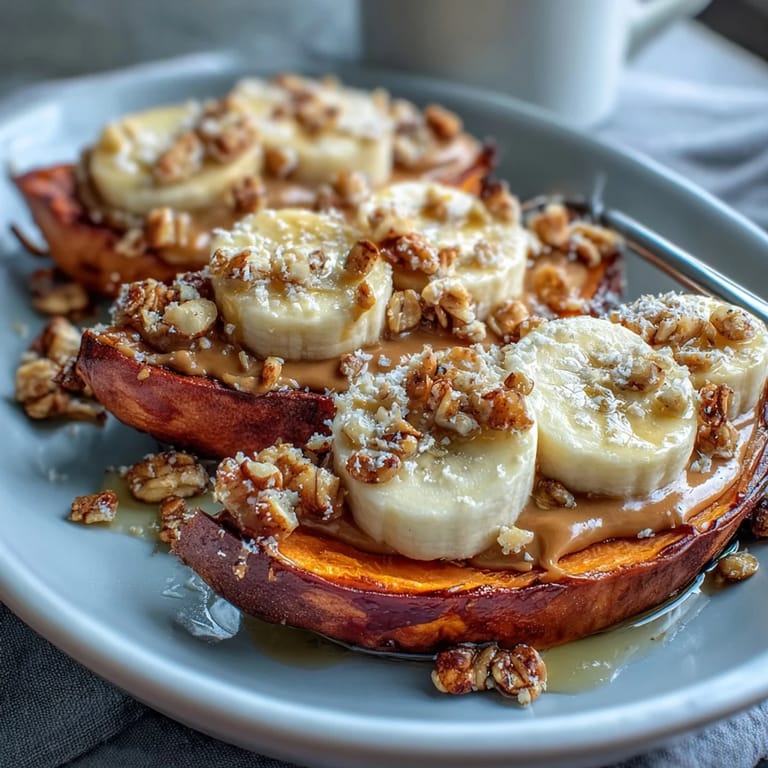
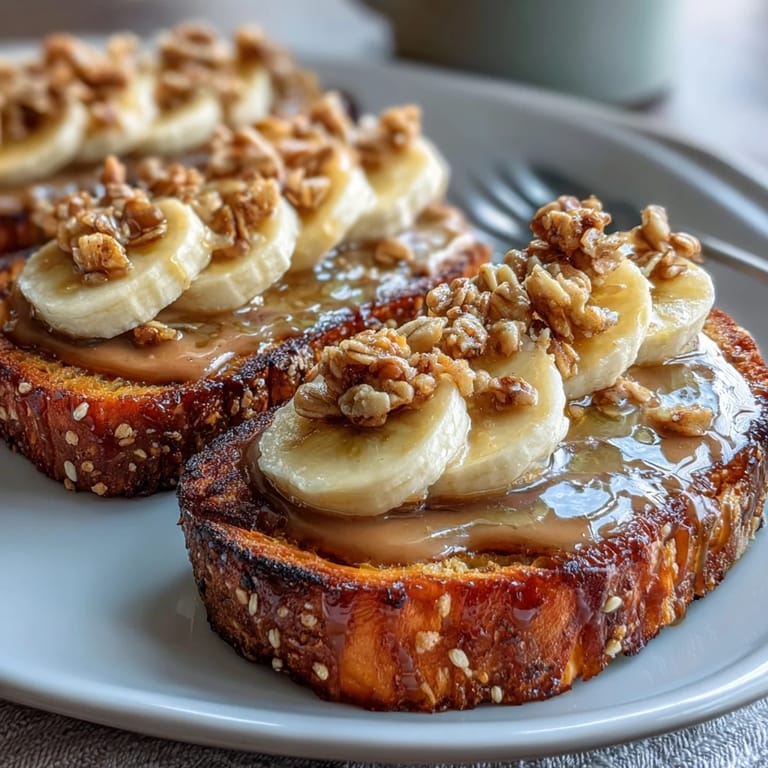
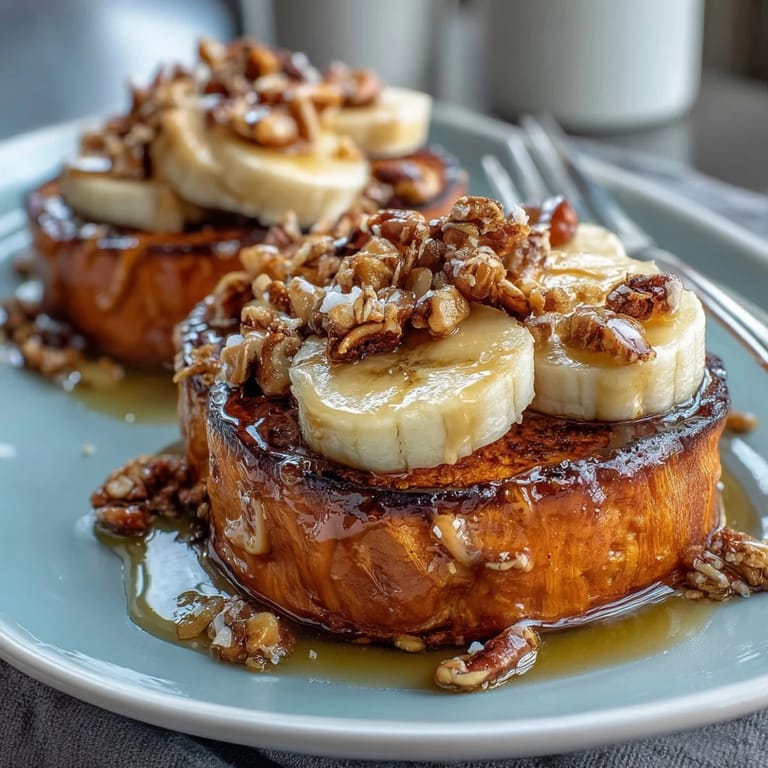
- For savory: try avocado with cherry tomatoes, or cottage cheese with fresh chives and a grind of black pepper, or a smear of hummus topped with crumbled feta and chili flakes. For sweet: spread on peanut butter, add banana slices, then sprinkle with granola and a small drizzle of honey, or go the cottage cheese route with honey and fresh berries.
- Eat while warm:
- Serve immediately while the toast is still slightly warm because that warmth makes everything meld together instead of feeling like separate ingredients piled on top. It's the difference between a thoughtful breakfast and something you just threw together.
 Save
Save My neighbor knocked on my door one morning asking if something was burning because the smell had drifted through her kitchen. When I explained I was making sweet potato toast, she actually came over and watched the whole thing, then left with the recipe and a look of relief on her face. Later she told me it had become her go-to when she was too tired to think but still wanted to eat something that felt like care.
The Beauty of Build-Your-Own Breakfast
There's something almost meditative about the process of choosing your toppings and layering them on. You're not following a script or trying to recreate something that failed last time—you're actually listening to what sounds good in that moment. Some mornings you want savory and protein-forward, other mornings you want the sweetness and crunch. The sweet potato stays exactly the same, but the breakfast becomes completely different each time.
Sweet Versus Savory Strategy
The sweet potato itself leans slightly sweet, which means it's actually a bridge between two worlds instead of firmly in either camp. I learned quickly that you have to commit to a flavor direction once you start building. If you're going sweet, lean into honey, peanut butter, fruit, and granola—let those flavors have space to shine. If you're going savory, load up on the bright, tangy elements like fresh herbs, lemon juice squeezed over avocado, or the gentle heat of chili flakes.
Timing and Temperature Tricks
The magic happens when you eat these while they're still warm because the residual heat keeps everything from becoming a cold, dense pile of toppings on a cold piece of sweet potato. Warm toast absorbs flavors better, creamier toppings soften just slightly instead of sitting stiff on top, and the whole thing feels more cohesive. If you're meal-prepping and need to store the roasted slices, keep them in the fridge and briefly reheat them in the toaster oven right before serving instead of eating them straight cold.
- A squeeze of fresh lemon or lime juice over savory versions keeps them bright and prevents flavors from feeling heavy or one-dimensional.
- If you're adding soft cheeses like cottage cheese or hummus, slightly warm it in a small bowl before spreading so it goes on smoothly instead of in clumpy chunks.
- Keep all your toppings prepped but separate until assembly time, so you can build quickly while the toast is still at its best.
 Save
Save This dish taught me that breakfast doesn't have to be complicated to feel special, and sometimes the best food moments come from just letting people choose what they need in that moment. That's the real gift here.
Recipe FAQs
- → How do I slice sweet potatoes for toast?
Cut sweet potatoes lengthwise into 1/4-inch thick slices using a sharp knife. This thickness ensures they roast evenly and become tender while maintaining enough structure to hold toppings.
- → Can I make these ahead of time?
Roast the sweet potato slices up to 3 days in advance and store in an airtight container in the refrigerator. Reheat in a toaster or oven at 350°F for 5-7 minutes before adding toppings.
- → What are the best savory topping combinations?
Try smashed avocado with cherry tomatoes and chives, cottage cheese with sliced hard-boiled eggs and fresh herbs, hummus topped with crumbled feta and chili flakes, or cream cheese with smoked salmon and dill.
- → Are sweet potato toasts gluten-free?
Yes, sweet potato toasts are naturally gluten-free since they replace bread entirely with sliced sweet potatoes. Just ensure any toppings you choose are also certified gluten-free.
- → How can I get extra crispy sweet potato toast?
After roasting, place the cooled sweet potato slices in a toaster for 1-2 cycles to achieve a crispy exterior. You can also increase the roasting time by 5-10 minutes, watching carefully to prevent burning.
- → What sweet toppings work best?
Creamy peanut butter pairs beautifully with sliced bananas and crunchy granola. Cottage cheese with honey, cinnamon, and fresh berries creates a protein-rich option. Almond butter with chia seeds and drizzled maple syrup offers another delicious variation.