 Save
Save My neighbor knocked on the door that March morning with flour still dusting her apron, asking if I wanted to bake St. Patrick's Day cookies together. I'd never really decorated cookies before, but something about the green and gold colors she mentioned made me curious. Two hours later, our kitchen smelled like vanilla and butter, and we had two dozen shamrock-shaped cookies lined up like little edible treasures. Those cookies taught me that sometimes the simplest recipes hold the most joy, especially when you're piping buttercream onto something you've made with your own hands.
I'll never forget watching my daughter's face light up when she piped her first green outline onto a cookie. She was so focused, her tongue poking out slightly, and when she finished, she held it up like she'd just created edible artwork. That's when I realized these cookies aren't really about St. Patrick's Day—they're about the moment when someone realizes they can make something beautiful to eat.
Ingredients
- All-purpose flour (2 1/2 cups): This is your foundation, and measuring it correctly makes a real difference in texture—I learned to spoon and level rather than scoop straight from the bag.
- Baking powder (1/2 tsp): Just enough to help the cookies rise slightly without making them cakey.
- Salt (1/4 tsp): A pinch that brightens the sweetness and shouldn't be skipped, even though it's easy to overlook.
- Unsalted butter (3/4 cup for dough, 1/2 cup for frosting): Softened butter creams better than cold, giving your dough that light, fluffy texture that makes all the difference.
- Granulated sugar (1 cup): This sweetens the dough and helps create a tender crumb structure.
- Egg (1 large): Binds everything together and adds richness without overwhelming the delicate cookie flavor.
- Vanilla extract (2 tsp for dough, 1 tsp for frosting): Real vanilla makes this taste like something special, not a box mix.
- Almond extract (1/2 tsp, optional): A secret ingredient that adds warmth and complexity—I skip it sometimes and miss it every time.
- Powdered sugar (2 cups, sifted): Sifting removes lumps and makes your buttercream smooth and pipeable.
- Milk or heavy cream (1–2 tbsp): Use just enough to reach the right consistency for piping.
- Green and gold gel food coloring: Gel colors don't thin out your buttercream like liquid ones do, so your frosting stays thick enough to work with.
Tired of Takeout? 🥡
Get 10 meals you can make faster than delivery arrives. Seriously.
One email. No spam. Unsubscribe anytime.
Instructions
- Gather and measure:
- Pull out everything and line it up—this takes thirty seconds and prevents the scramble of looking for baking powder mid-mix. Having your butter softened ahead saves frustration too.
- Combine dry ingredients:
- Whisk the flour, baking powder, and salt in a medium bowl and set it aside. This distributes the baking powder evenly so you don't end up with bitter pockets of it.
- Cream butter and sugar:
- Beat softened butter and sugar together for about two to three minutes until it looks pale and fluffy, like clouds. This is when the magic starts—you're incorporating air that'll make the cookies tender.
- Add wet ingredients:
- Beat in the egg, vanilla, and almond extract until everything is well combined and smooth. Don't skip beating this part; it makes the texture better.
- Bring dough together:
- Gradually add your dry ingredients to the wet mixture, mixing until just combined. Overmixing creates tough cookies, so stop as soon as you don't see streaks of flour.
- Chill the dough:
- Divide dough into two discs, wrap them in plastic, and refrigerate for at least an hour. Cold dough is forgiving and easier to work with when you're rolling and cutting.
- Preheat and prepare:
- Get your oven to 350°F and line your baking sheets with parchment paper. This prevents sticking and makes cleanup almost pleasant.
- Roll and cut:
- On a lightly floured surface, roll dough to 1/4-inch thickness and cut into shamrocks or festive shapes. Work quickly so the dough doesn't warm up too much.
- Space them out:
- Place cookies about an inch apart on your prepared sheets. They'll expand slightly as they bake, so give them room to breathe.
- Bake until golden:
- Bake for eight to ten minutes, watching for just barely golden edges. They'll continue to firm up slightly as they cool, so don't overbake or they'll be crunchy.
- Cool properly:
- Let cookies sit on the baking sheet for five minutes, then transfer to a wire rack to cool completely. This cooling step is important for decorating without melting your buttercream.
- Make the buttercream:
- Beat softened butter until creamy, then gradually add sifted powdered sugar, beating until smooth. Mix in vanilla, salt, and a tablespoon of milk.
- Adjust consistency:
- Add more milk a splash at a time until you can pipe it, but it holds its shape. Too thin and it'll slide off the cookies; too thick and it'll be impossible to pipe.
- Tint your colors:
- Divide buttercream into bowls and add gel food coloring drop by drop until you get the shade you want. Green and gold are perfect for the occasion, but use whatever makes you happy.
- Pipe with confidence:
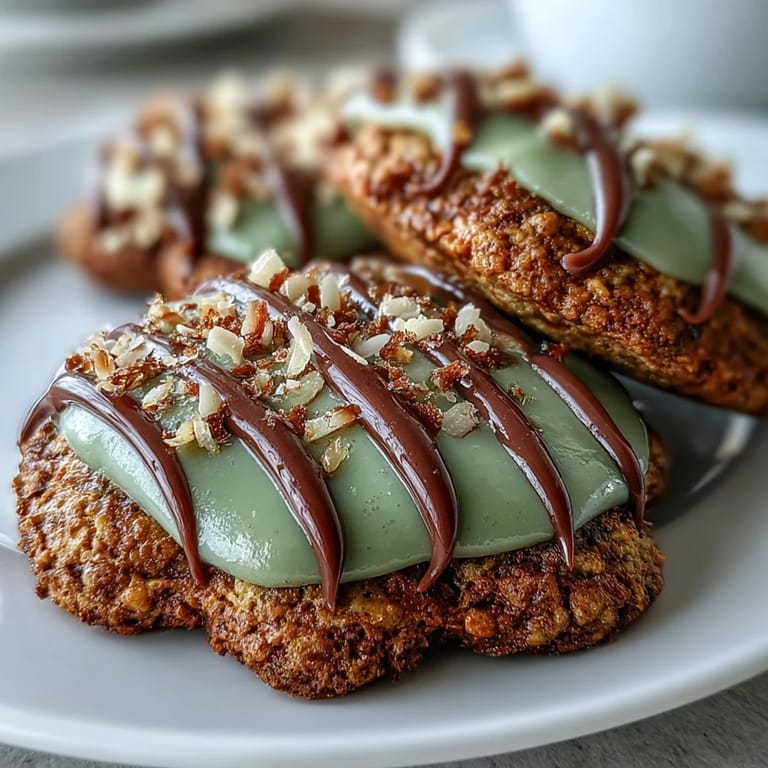
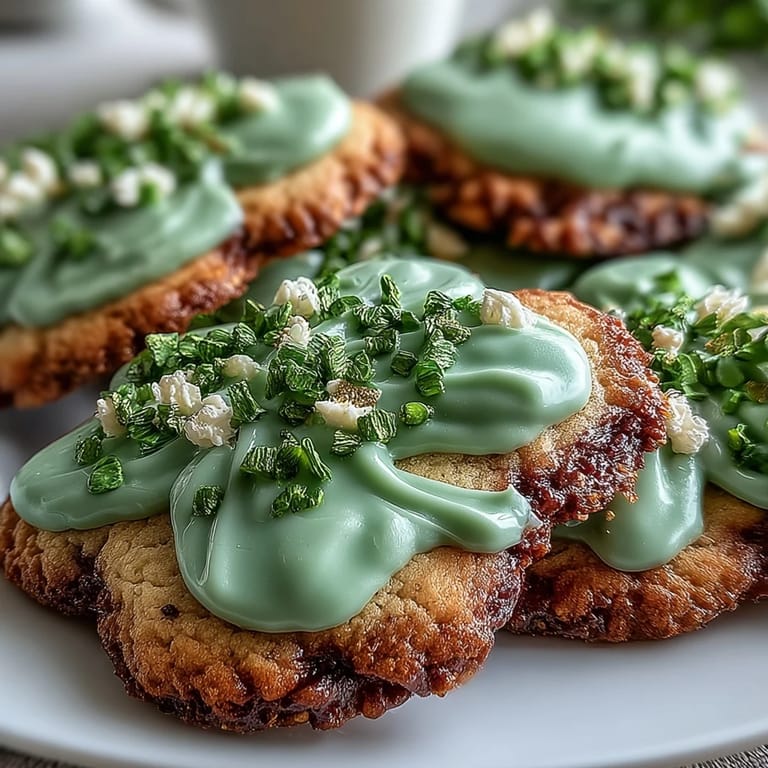
- Transfer colored buttercream to piping bags with small round tips and outline your cooled cookies however you like. There's no wrong way to do this, and imperfection is part of the charm.
- Let it set:
- Allow the frosting to set before serving or stacking, which takes about thirty minutes at room temperature. This prevents smudging and keeps everything looking fresh.
 Save
Save There's something almost meditative about piping buttercream outlines onto warm cookies, watching the frosting catch the light in these little green and gold strokes. My hands started shaky and unsure, but by the third cookie, I stopped thinking about perfection and started enjoying the rhythm of it. That's when baking stopped being a task and became something I wanted to do again.
Why the Dough Matters
The secret to these cookies being soft and tender lies in how you handle the dough from the very first step. Creaming butter and sugar properly incorporates air, which sounds technical but just means beating them together until they're pale and fluffy—roughly two to three minutes with an electric mixer. When you skip this or rush it, you end up with denser, tougher cookies that taste fine but don't have that melt-in-your-mouth quality that makes people ask for the recipe.
The Art of Decorating
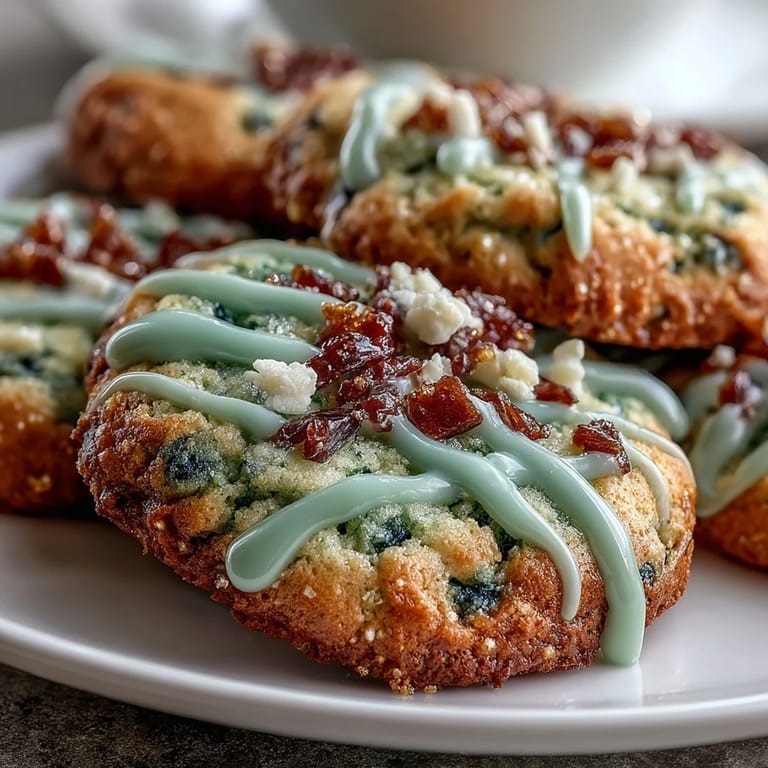
Decorating these cookies is where the recipe becomes genuinely fun instead of just baking. Your piping doesn't need to be perfect—slight wobbles in the buttercream outline actually look more charming and handmade than if you somehow managed machine precision. I've found that holding the piping bag at a slight angle and moving slowly gives you more control, but honestly, even when I mess up, the cookies still look festive and taste delicious.
Make-Ahead Magic and Storage
One of the best things about this recipe is how flexible it is with timing, which makes holiday baking feel less stressful. The dough keeps in the refrigerator for up to two days or in the freezer for a month, so you can bake cookies whenever you have a few minutes, not just when you have a full afternoon free. The baked cookies themselves stay soft for several days in an airtight container, and the buttercream frosting holds up beautifully once it sets.
- Freeze unbaked dough discs in plastic wrap, then thaw slightly before rolling and cutting—this saves you from having to do everything in one sitting.
- Store frosted cookies in a single layer with parchment between layers if you're stacking them, so the buttercream doesn't smudge.
- Make the buttercream the day you plan to decorate for the brightest, freshest colors and easiest piping consistency.
 Save
Save These cookies have become my go-to when I want to make something festive without the stress of fussy techniques or hard-to-find ingredients. Bake them, decorate them however feels right, and watch people's faces light up when they bite into something soft and buttery that you made yourself.
Recipe FAQs
- → What gives the cookies their soft texture?
The combination of softened butter and creaming it with sugar creates a tender, soft crumb in the cookies.
- → How do you achieve vibrant buttercream outlines?
Use gel food coloring mixed into smooth buttercream to get bright, consistent colors perfect for outlining.
- → Can the dough be prepared ahead of time?
Yes, the dough can be refrigerated for up to 2 days or frozen for up to 1 month before baking.
- → What cookies shapes are recommended for St Patricks Day?
Shamrock shapes are traditional, but any festive cookie cutter shapes suitable for the occasion work well.
- → How long should cookies cool before decorating?
Allow cookies to cool completely on a wire rack to ensure the buttercream adheres properly without melting.