 Save
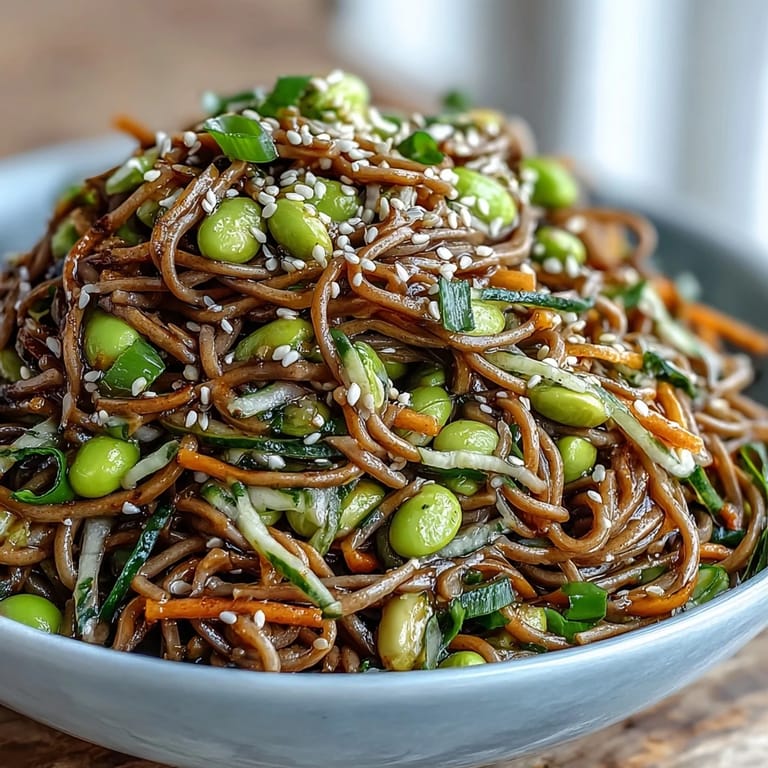
Save Summer afternoons at my neighbor's place always ended the same way—she'd pull out this enormous bowl of soba noodles chilled to perfection, and suddenly everyone would pause mid-conversation to dive in. The first time I tasted it, I was struck by how something so simple felt like a small luxury: the noodles had this satisfying chew, the vegetables stayed crisp, and that sesame dressing tasted like it held some secret I needed to know. She finally shared the recipe with a knowing smile, and now whenever the weather turns warm, this is the first thing I make.
I made this for a potluck once where everyone was eating heavier casseroles and rich salads, and watching people's faces light up when they tasted the brightness of it was genuinely rewarding. Someone asked if it was complicated, and I loved being able to say no—just good ingredients treated with respect.
Ingredients
- Dried soba noodles (250 g): These buckwheat beauties have an almost nutty flavor that makes them feel special, and they cook faster than regular pasta—just watch them so they don't turn mushy.
- Shelled edamame (1 cup): Whether fresh or frozen, these deliver protein and a pleasant pop of color that makes the bowl feel complete.
- Cucumber (1 medium, julienned): The texture should stay snappy, so cut it right before serving if you can manage it.
- Carrots (2 medium, julienned): I learned the hard way that thin, uniform cuts matter here—they cook more evenly and taste fresher.
- Scallions (2, thinly sliced): These add a gentle onion bite that keeps things interesting without overwhelming the other flavors.
- Toasted sesame seeds (2 tbsp): Buy them already toasted if you can, or toast them yourself for two minutes in a dry pan—the aroma alone is worth it.
- Fresh cilantro or mint leaves (1/4 cup, optional): These lift everything skyward, though they're truly optional if herbs aren't your thing.
- Soy sauce (3 tbsp): This is the backbone of your dressing, so use the good stuff if you have it.
- Rice vinegar (2 tbsp): Its mild sweetness keeps the dressing balanced rather than sharp.
- Toasted sesame oil (1 tbsp): A little goes a long way—this is what makes people ask what that incredible smell is.
- Tahini or smooth peanut butter (1 tbsp): Either works beautifully; tahini feels more authentic, but peanut butter adds richness.
- Honey or maple syrup (1 tbsp): Just enough sweetness to round out the savory notes without making it dessert.
- Fresh ginger (1 tsp, grated): Grate it right before mixing into the dressing so it stays lively and bright.
- Garlic clove (1 small, minced): One is enough—garlic here is a whisper, not a shout.
- Water (1 tbsp, plus more as needed): This thins the dressing to the right consistency, so add it slowly.
Tired of Takeout? 🥡
Get 10 meals you can make faster than delivery arrives. Seriously.
One email. No spam. Unsubscribe anytime.
Instructions
- Get the noodles going:
- Fill a medium saucepan with water and bring it to a rolling boil—you'll know it's ready when the steam rises steadily. Add the soba noodles and stir gently so they don't clump, then cook for the time the package suggests (usually around 4 to 5 minutes). They should be tender but still have a bit of resistance when you bite one.
- Shock and chill:
- Drain the cooked noodles in a colander and run them under cold water immediately, working them gently with your fingers to remove any starch and prevent them from sticking together. This step feels refreshing on a warm day.
- Blanch the edamame:
- While the noodles cook, bring a small pot of salted water to a boil and drop in the edamame for 2 to 3 minutes until they're tender but still have a slight firmness. Drain them and set aside—they're ready to go.
- Make the dressing magic:
- In a small mixing bowl, whisk together the soy sauce, rice vinegar, sesame oil, tahini, honey, ginger, and minced garlic until you have something that looks creamy and cohesive. If it feels too thick, add water one teaspoon at a time and keep whisking until it reaches a consistency you can drizzle.
- Dress the noodles:
- Toss the cooled soba noodles with about half of the dressing in a large bowl, making sure each strand gets coated gently so they stay separate and glossy rather than clumped.
- Build your bowls:
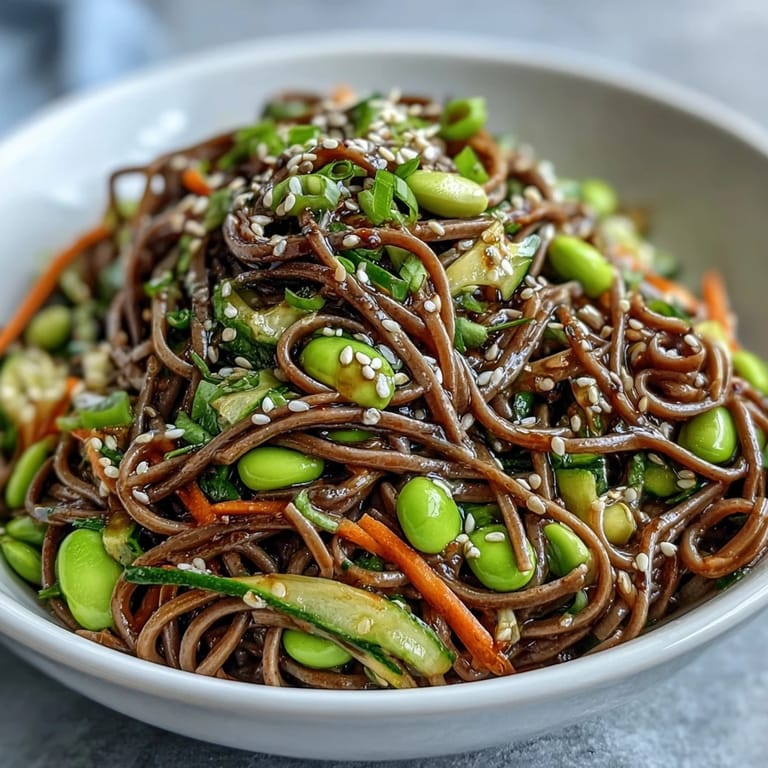
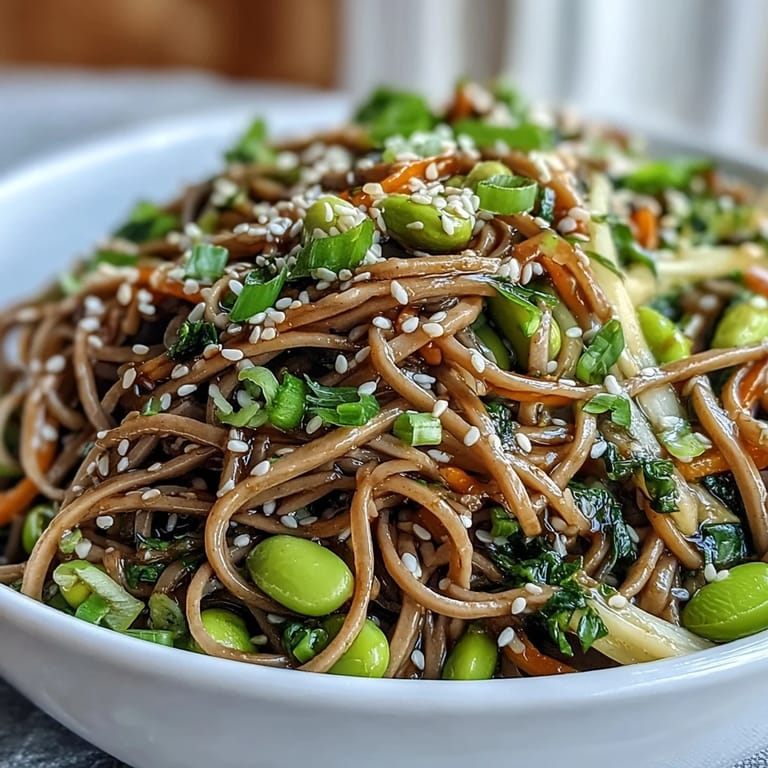
- Divide the dressed noodles among four bowls, then top each one with edamame, julienned cucumber, julienned carrots, and sliced scallions. Drizzle the remaining dressing over everything so people get flavor in every bite.
- Finish strong:
- Sprinkle toasted sesame seeds over each bowl and add fresh cilantro or mint if you're using it, then serve right away while everything is at its peak.
 Save
Save There's something about sharing a chilled bowl of noodles on a hot day that feels like an act of kindness, both to yourself and to anyone lucky enough to be eating beside you. It's the kind of dish that turns a regular lunch into a moment worth remembering.
Making This Bowl Your Own
One of the joys of this recipe is how forgiving it is with substitutions and personal preferences. If you want to add protein, a soft-boiled egg draped over the top adds richness, or grilled tofu cubes bring a satisfying heartiness. I've swapped in snap peas when cucumbers weren't available, tried bell peppers for sweetness, and even added thin radish slices for extra crunch—each version feels new.
Dressing Ahead of Time
The dressing keeps beautifully in a jar for a few days, which means you can make a batch on Sunday and have a quick lunch ready all week long. Just give it a good shake before using since the sesame oil and tahini can separate slightly.
Serving Suggestions and Storage
This bowl tastes best served immediately while the vegetables are still crisp and the noodles haven't absorbed too much extra dressing, but it also travels well if you keep the components separate and assemble it at mealtime. For storage, keep cooked noodles in one container and vegetables in another for up to three days, then toss together with fresh dressing when you're ready to eat.
- If you're making this for a gathering, set up the components in separate bowls and let people assemble their own—it becomes interactive and fun.
- For a gluten-free version, use 100% buckwheat soba noodles and tamari instead of soy sauce, and everything else stays the same.
- Chilled green tea or a light riesling pairs beautifully alongside if you're looking for a drink to complete the meal.
 Save
Save This bowl has become my go-to when I want to eat something that feels nourishing and special without spending hours in the kitchen. Once you make it a few times, it becomes muscle memory—the kind of thing you can pull together on autopilot when hunger strikes.
Recipe FAQs
- → What makes soba noodles special?
Soba noodles are made from buckwheat flour, giving them a nutty flavor and chewy texture. They're naturally lower in calories than wheat pasta and contain beneficial nutrients like protein and fiber.
- → Can I make this gluten-free?
Yes, look for 100% buckwheat soba noodles and substitute tamari for soy sauce. Some brands blend wheat with buckwheat, so always check the label carefully.
- → How should I store leftovers?
Store the cooled noodles and vegetables separately from the dressing in airtight containers. The noodles will keep for 2-3 days. Add dressing just before serving to prevent sogginess.
- → What protein options work well?
Grilled tofu, shredded chicken, pan-seared salmon, or soft-boiled eggs all complement the flavors beautifully. The edamame already provides 13 grams of protein per serving.
- → Can I prepare the components ahead?
Absolutely. You can julienne vegetables, whisk the dressing, and even cook the noodles up to a day in advance. Keep everything refrigerated separately and assemble when ready to serve.
- → What vegetables can I substitute?
Snap peas, bell peppers, shredded cabbage, radishes, or zucchini all work wonderfully. Choose crisp vegetables that maintain their texture when tossed with the noodles.