 Save
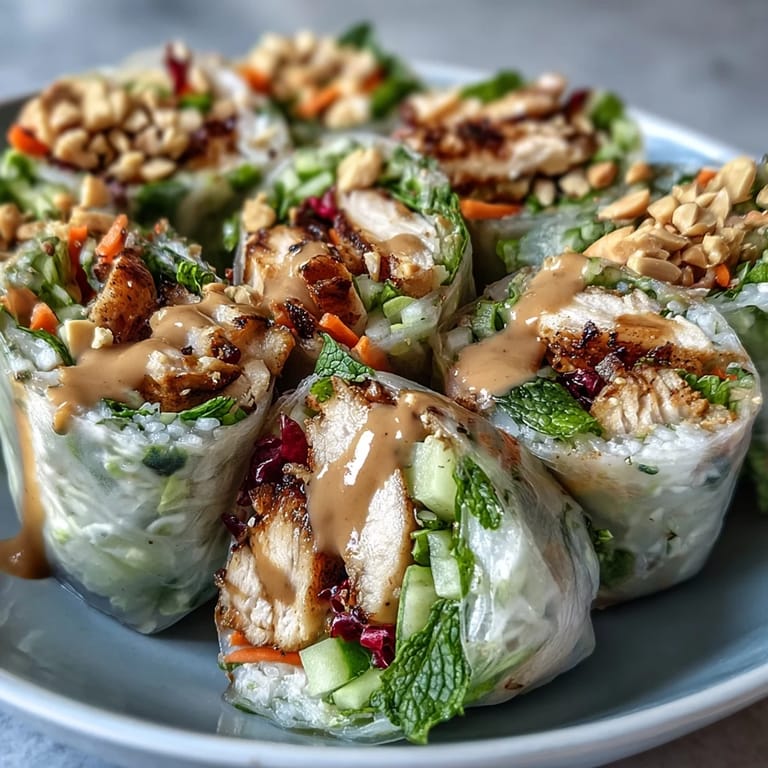
Save Last summer, I was scrolling through my phone at a café when a friend sent me a photo of her deconstructed spring roll bowl from a Vietnamese restaurant, and I became instantly obsessed. The way she described it—crispy, fresh, sauce pooling at the bottom—made me want to recreate it at home that very afternoon. What I didn't expect was how much easier and more forgiving it would be than rolling traditional spring rolls, or how the softened rice paper would shatter into these delicate, almost crispy shards when tossed into the bowl. Now it's my go-to meal when I want something that feels fancy but doesn't demand hours in the kitchen.
I made this for my partner on a Tuesday night when we were both exhausted from work, and watching their face light up when they took that first bite reminded me why I love cooking so much. They went back for seconds, then thirds, and suddenly we were both talking about making it again the next week. That's when I knew it wasn't just a recipe—it was something that would stick around in our regular rotation.
Ingredients
- Rice paper sheets: These delicate wrappers soften beautifully in warm water and create those silky, slightly chewy texture moments throughout the bowl; don't leave them in too long or they'll tear.
- Jasmine rice or vermicelli noodles: The base that anchors everything, though honestly you can skip it if you want the bowl lighter and more vegetable-focused.
- Protein (chicken, tofu, or shrimp): This is your canvas for flavor—season it generously because it carries the main savory notes.
- Carrot, cucumber, bell pepper, red cabbage: The jewel-toned vegetables that make this dish pop visually and add that crucial crunch and freshness.
- Mixed salad greens, mint, and cilantro: Fresh herbs are non-negotiable here; they're what lift the whole thing from good to memorable.
- Peanut butter: Use the creamy kind without added sugar if you can find it, as it creates a silkier sauce.
- Soy sauce, hoisin sauce, rice vinegar, lime juice: These four ingredients are the backbone of the sauce, balancing salty, sweet, tangy, and bright in perfect harmony.
- Sriracha: Optional but I've never made this without it—the heat just makes everything taste more alive.
- Roasted peanuts and fried shallots: The finishing touches that add crunch and keep every bite interesting.
Tired of Takeout? 🥡
Get 10 meals you can make faster than delivery arrives. Seriously.
One email. No spam. Unsubscribe anytime.
Instructions
- Soften and shred the rice paper:
- Fill a shallow dish with warm water and dip each rice paper sheet in for about five to ten seconds—you want it pliable but not falling apart. Lay them on a clean towel, then stack a couple sheets together and slice them into rough strips or squares like you're cutting ribbons; they'll be your textural anchor in the bowl.
- Cook your protein:
- Whether you're grilling chicken, pan-frying tofu, or heating shrimp, season boldly with salt and pepper and maybe a splash of soy sauce. The key is getting it warm, flavorful, and ready to toss into the bowl.
- Prep all the vegetables:
- Julienne the carrot and cucumber so they're thin and delicate, slice the bell pepper into matchsticks, shred the cabbage, and wash your greens and herbs. This is the meditative part—the slicing and prepping where everything starts to feel real.
- Whisk together the sauce:
- In a bowl, combine peanut butter, soy sauce, hoisin, rice vinegar, and lime juice, then gradually add warm water a tablespoon at a time until you get that silky, pourable consistency. Taste it and add sriracha if you want that gentle heat running through everything.
- Build your bowls:
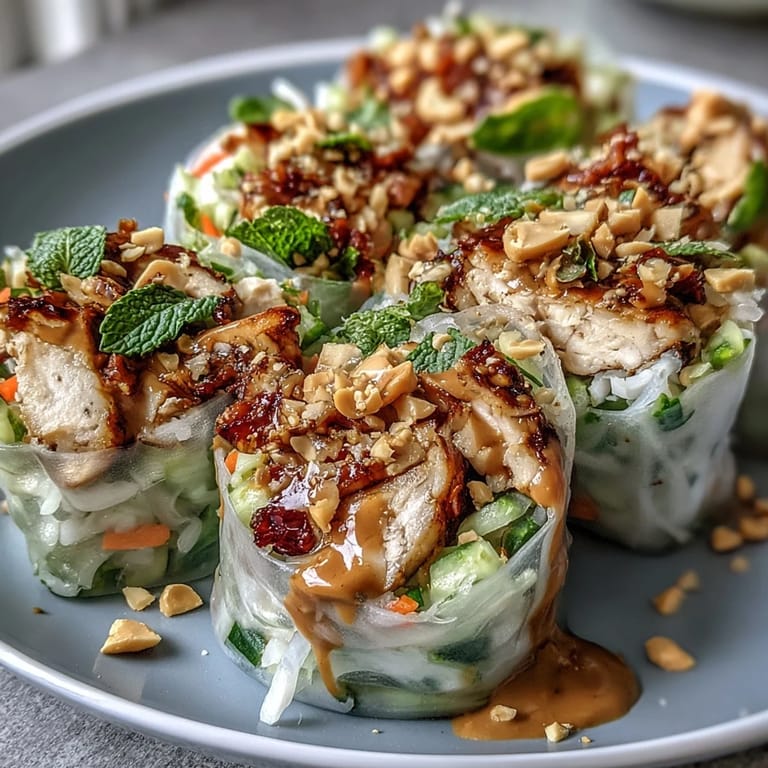
- Start with rice or noodles as your base, then layer on the rice paper shards, vegetables, greens, herbs, and protein. Think of it like you're composing a painting where colors and textures matter just as much as flavor.
- Finish and serve:
- Drizzle the sauce generously—you want enough to coat and pool slightly at the bottom—then shower with chopped peanuts and fried shallots if using them. Serve with lime wedges so everyone can adjust the brightness to their taste.
 Save
Save There's something almost meditative about assembling these bowls, the way you're stacking colors and textures and watching them come together into something beautiful and nourishing all at once. It felt like the kind of meal that bridges the gap between weeknight cooking and something you'd order at a restaurant, except better because you made it exactly the way you wanted.
Why This Bowl Works Every Time
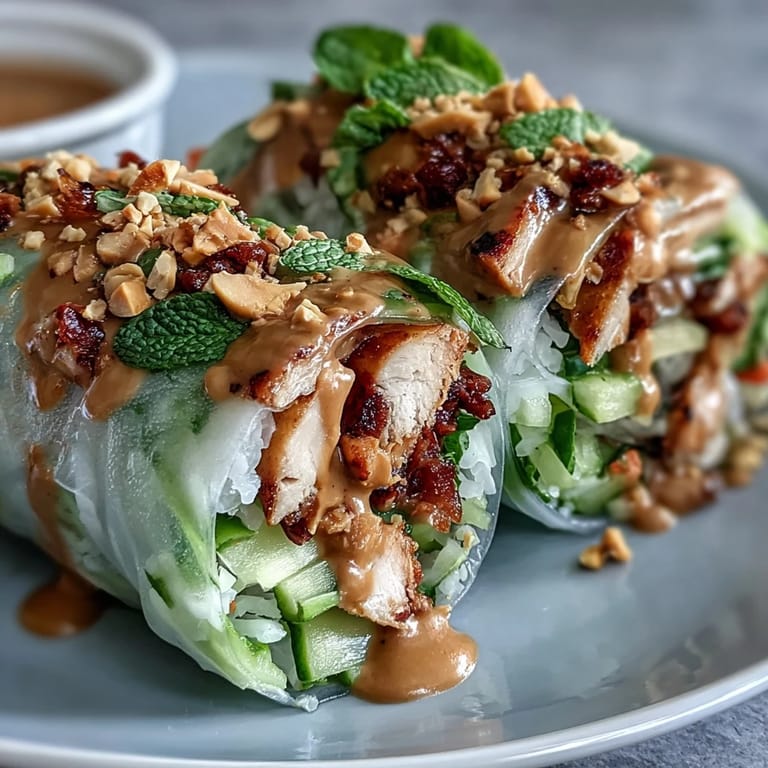
The genius of deconstructing the spring roll is that you eliminate the technical barrier—no more worried about rolls coming undone or wasting rice paper because you couldn't seal it properly. Instead, you get to play with textures and ratios, ensuring every bite has the perfect balance of crunch, creaminess, and fresh brightness. The rice paper shards are barely there, almost ghostly, which somehow makes them feel more luxurious than a whole roll ever could.
Making It Your Own
I've made this bowl so many different ways depending on what I had on hand or what I was craving that week. One night I added sliced avocado because it was perfectly ripe, another time I stirred miso paste into the sauce because I wanted deeper umami, and once I threw in some pickled daikon and carrot for extra tang. The framework is solid enough that you can play around without worrying about breaking something fundamental.
Serving and Storage Wisdom
These bowls are best assembled right before eating because the rice paper will soften further and the vegetables will start releasing water if they sit too long. That said, you can prep everything ahead and assemble in minutes when you're ready to eat, which is what I usually do on busy weeknights. The sauce keeps in the fridge for about four days, and the individual components hold beautifully in separate containers.
- Assemble just before serving so the rice paper shards stay delicate and the greens don't wilt from the warm sauce.
- If you're making this for a crowd, set out all the components buffet-style and let people build their own bowls with their preferred protein and toppings.
- Taste the sauce before serving and adjust with extra lime juice or sriracha because everyone's heat tolerance and flavor preferences are different.
 Save
Save This recipe has become the answer to the question I ask myself most weeknights: what can I make that feels special but doesn't require me to think too hard? It's fresh, it's satisfying, and somehow it never gets old.
Recipe FAQs
- → How do I prepare rice paper for this bowl?
Submerge each rice paper sheet in warm water for 5–10 seconds until just softened, then stack 2–3 sheets and cut into strips or squares. Don't oversoak or they'll become too soft to handle.
- → Can I make this bowl ahead of time?
Prepare vegetables, protein, and sauce up to 24 hours in advance. Store components separately in airtight containers. Assemble bowls just before serving to maintain the crispy texture of rice paper pieces.
- → What protein works best in this bowl?
Grilled chicken breast, pressed and cubed firm tofu, or cooked shrimp all complement the fresh flavors beautifully. Choose based on dietary preferences or what you have available.
- → How can I adjust the peanut sauce consistency?
Start with the base ingredients, then gradually whisk in warm water 1 tablespoon at a time until you reach your desired thickness. The sauce should be smooth and pourable but not watery.
- → Is this bowl suitable for meal prep?
Yes! Store prepped vegetables, cooked protein, and sauce separately. Keep rice paper pieces uncut until ready to eat, or prepare and store in a dry container to maintain texture.