 Save
Save My kitchen smelled like a citrus grove the morning I first tested these orange rolls, and I realized halfway through that I'd grabbed the zest from three oranges instead of two. Instead of starting over, I leaned into it—and discovered that slightly intense citrus note was exactly what made them memorable. Now, whenever someone asks for an overnight roll recipe that actually tastes like something, this is what I make. The magic happens while you sleep, and your kitchen wakes up smelling like a bakery.
I made these for my sister's birthday brunch last spring, and she actually paused mid-conversation to close her eyes and just eat one. That's when I knew the recipe worked—when food stops people from talking, you've done something right. She asked for the recipe before dessert even arrived, which felt like a pretty solid compliment.
Ingredients
- All-purpose flour (3 1/2 cups): This is your structure—don't substitute with bread flour unless you like denser rolls, and measure by spooning and leveling, not scooping straight from the bag.
- Instant dry yeast (2 1/4 teaspoons): Check your packet date; old yeast won't rise properly and you'll be disappointed in the morning.
- Whole milk (3/4 cup, lukewarm): Temperature matters here—too hot kills the yeast, too cold and they won't rise overnight, so aim for around 110°F if you're being precise.
- Unsalted butter (1/4 cup melted plus 1/4 cup softened): One goes in the dough, one in the filling—keep them separate and use actual butter, not margarine, or the flavor falls flat.
- Large eggs (2, room temperature): Cold eggs can shock the dough and affect texture, so leave them out while you're measuring everything else.
- Fresh orange zest (2 large oranges for dough, 1 for filling): Microplane zester makes this easy and way less bitter than a box grater—zest before you juice the oranges so you have both.
- Granulated sugar (1/2 cup plus 1/4 cup): The extra in the filling is what creates that tender, slightly caramelized texture on the rolls.
- Salt (1/2 teaspoon): Tiny amount, but it balances the sweetness and brings out the orange flavor—don't skip it.
- Powdered sugar (1 cup) and fresh orange juice (2-3 tablespoons): The glaze is forgiving—add juice slowly and you can always add more if it's too thick.
Tired of Takeout? 🥡
Get 10 meals you can make faster than delivery arrives. Seriously.
One email. No spam. Unsubscribe anytime.
Instructions
- Mix your dry team:
- Whisk flour, sugar, yeast, and salt together in a large bowl—this distributes the yeast evenly so your rolls rise predictably. Get it all combined before the wet ingredients arrive.
- Combine the wet side:
- In another bowl, stir together lukewarm milk, melted butter, room-temperature eggs, and your orange zest until it looks like a loose, fragrant custard. This is where the orange flavor becomes real, so don't be shy with the zest.
- Bring them together:
- Pour the wet mixture into the dry ingredients and mix until a sticky, shaggy dough forms—it should look slightly wet and messy, not dry. Resist the urge to add more flour.
- Knead into smoothness:
- Knead by hand for about 8 minutes (or 5-6 minutes with a stand mixer on medium) until the dough feels smooth, elastic, and slightly sticky but not wet. You'll feel the transformation happen—it goes from rough to silky.
- Let it grow:
- Place dough in a greased bowl, cover loosely with plastic wrap, and let it sit in a warm spot for 1-2 hours until it's roughly doubled. A barely-warm oven with the light on works perfectly, or near a sunny window in the afternoon.
- Shape and fill:
- Punch down the puffy dough and roll it out on a lightly floured surface into a 10x16-inch rectangle—use a ruler if you're feeling precise. Spread softened butter over it, sprinkle sugar and orange zest evenly, then roll tightly from the long edge like you're rolling a yoga mat.
- Cut with care:
- Using a sharp knife (or dental floss, which sounds weird but actually works), cut the roll into 12 roughly equal pieces. Uneven rolls bake at different rates, so try to get them similar sizes.
- Arrange for overnight rest:
- Place rolls cut-side up in a greased 9x13-inch baking dish, cover tightly with plastic wrap, and slide into the refrigerator overnight (or up to 16 hours). The cold slows fermentation just enough that they rise slowly and develop better flavor.
- Wake them up gently:
- In the morning, pull them out and let them sit at room temperature for 45-60 minutes until they look puffy and soft—they should spring back slowly when you poke them. Meanwhile, preheat your oven to 350°F.
- Bake until golden:
- Bake for 22-25 minutes until the tops are deep golden brown and the edges just barely pull away from the dish. They should smell absolutely insane at this point.
- Make the glaze:
- While rolls bake, whisk powdered sugar with fresh orange juice and zest until smooth and pourable—thicker than syrup but thinner than frosting. Taste it and adjust sweetness if needed.
- Glaze while warm:
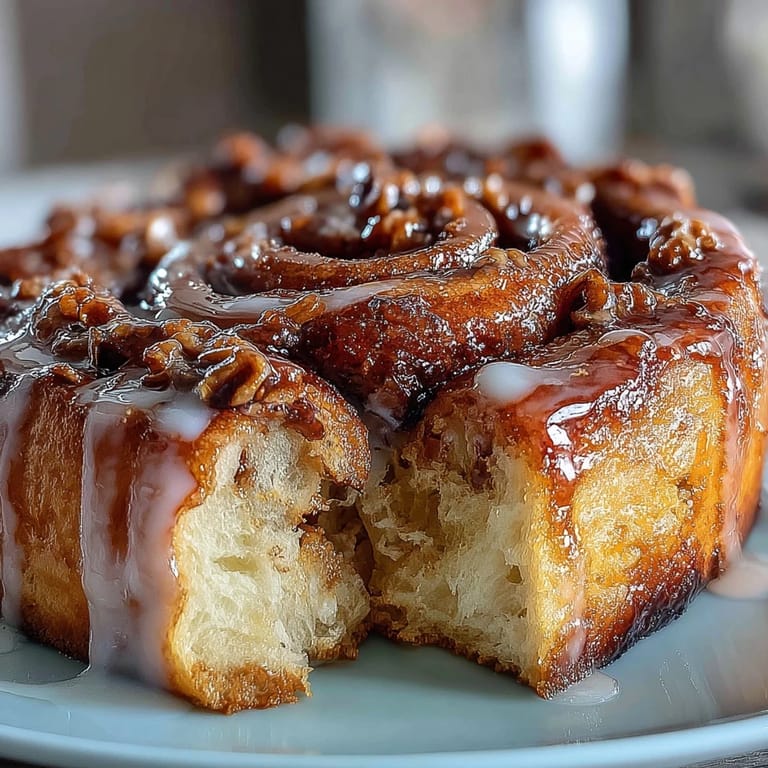
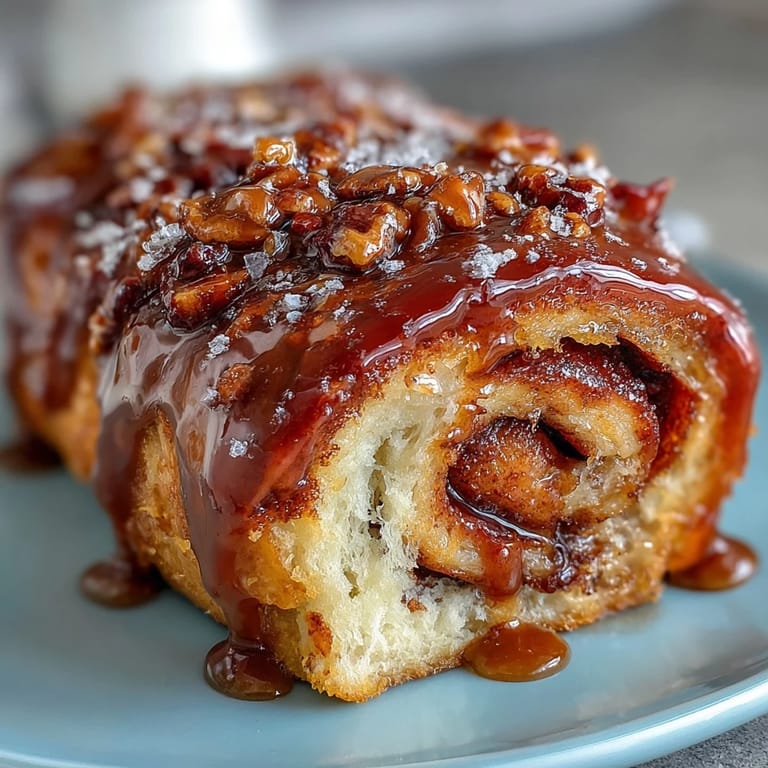
- Drizzle glaze over the warm rolls as soon as they come out of the oven so it soaks in and sets slightly. Serve immediately and watch people lose their minds.
 Save
Save My neighbor asked to borrow two rolls once, brought back an empty container, and then asked for the recipe three days later. That's when this became less of just a breakfast recipe and more of a reason people drop by on Saturday mornings.
The Overnight Method, Explained
The reason these work so well prepped ahead is that slow, cold fermentation develops flavor—yeast keeps working in the fridge, just slower, and the dough absorbs more of the orange flavor as it sits. Plus, you get to sleep while the hard part happens. I used to think overnight rolls were just a convenience hack, but they're genuinely better than same-day rolls because the flavor is deeper and the crumb stays tender longer.
Orange Juice Substitute Option
If you want to push the citrus flavor further, replace half the milk (so use 3/8 cup milk and 3/8 cup fresh orange juice instead) in the initial dough mix. This makes the rolls slightly more tender and adds a brightness that regular milk doesn't give you. I discovered this by accident when I was out of milk and too lazy to go to the store, but now it's my preferred method—just be careful not to use juice that's too acidic or it can mess with yeast activation.
Making These Your Own
The citrus base is strong enough to handle additions, which is where this recipe gets fun. A pinch of cardamom or ground ginger in the filling adds a subtle spiced note that people can't quite identify but love. If you want them less sweet, reduce the sugar by a few tablespoons and add an extra teaspoon of vanilla extract to deepen the orange flavor instead.
- Try adding 1/4 teaspoon of cardamom to the filling for a gently spiced version.
- Substitute 2 tablespoons of the filling sugar with demerara sugar for a slight textural crunch.
- Serve with good coffee or Earl Grey tea—the tannins balance the sweetness perfectly.
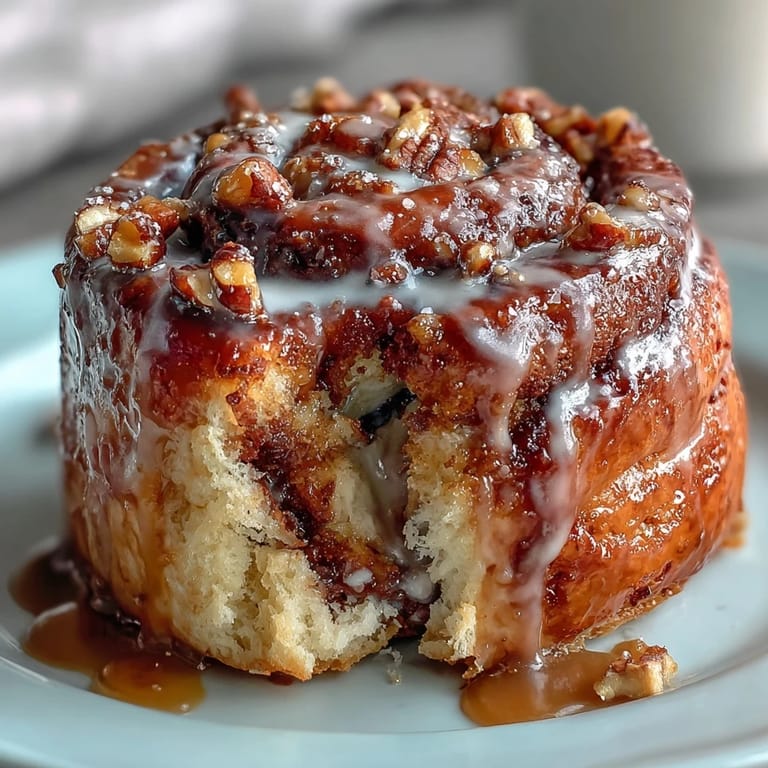 Save
Save These rolls feel fancy enough for guests but easy enough that you'll actually make them on random Sundays just because. That's the recipe I keep coming back to—the ones that bridge the gap between effort and reward.
Recipe FAQs
- → Can I substitute orange juice for milk in the dough?
Yes, replacing half the milk with fresh orange juice adds extra citrus flavor and moisture to the dough without affecting rise.
- → How long should the dough rest overnight?
Refrigerate the shaped rolls tightly covered overnight, approximately 8 hours, to develop flavor and texture.
- → What is the best way to cut the rolls evenly?
Use a sharp knife or dental floss to slice the rolled dough into 12 even pieces for uniform baking.
- → Can I add spices to the filling?
Adding a pinch of cardamom or cinnamon to the orange sugar filling enhances warmth and depth.
- → How do I know when the rolls are fully baked?
Bake until golden brown on top, about 22–25 minutes at 350°F (175°C). The rolls should feel springy to touch.
- → Can these rolls be prepared without a stand mixer?
Yes, kneading by hand for about 7–8 minutes until smooth and elastic works equally well.