 Save
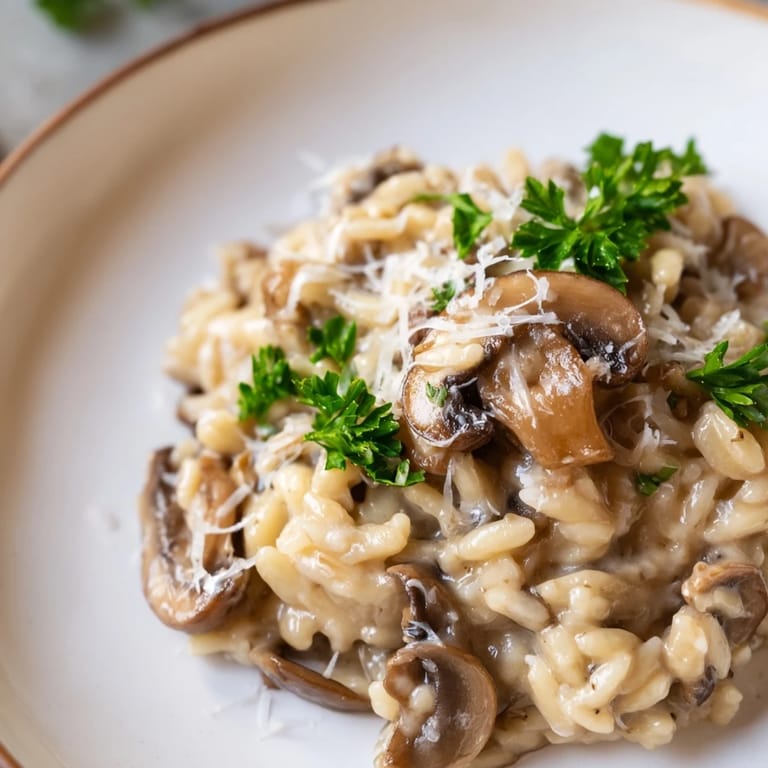
Save My roommate once called this dish "fake risotto" and I nearly threw a wooden spoon at her. Sure, orzo isn't arborio rice, but the way it drinks up broth and turns silky? That's real magic. I'd been stirring for fifteen minutes when she walked into the kitchen, watched me ladle in more broth, and said it smelled better than any risotto she'd had in Rome. We ate straight from the pan that night, standing at the stove, and she never called it fake again.
I made this for my dad on a Tuesday night after he'd had a long week. He's not usually big on pasta, but he scraped his bowl clean and asked if there was more in the pan. Watching him sprinkle extra Parmesan over the top, not saying much but smiling into his fork, I realized some meals don't need an occasion. Sometimes the occasion is just being hungry and together at the end of a hard day.
Ingredients
- Orzo pasta: These little rice-shaped gems are sturdier than they look and absorb liquid like tiny sponges, which is exactly what makes this dish work.
- Olive oil: Start with good oil because it's the first thing that hits the pan, and that flavor carries through every bite.
- Onion: Finely chopped onion melts into the background, adding sweetness without stealing the show from the mushrooms.
- Garlic cloves: Minced fresh garlic is non-negotiable here; jarred stuff won't give you that sharp, warm punch.
- Cremini or button mushrooms: Slice them thick enough to hold their shape, thin enough to brown quickly and release their earthy, slightly nutty flavor.
- Frozen peas: Optional, but they add little pops of sweetness and a splash of green that makes the whole dish feel lighter.
- Vegetable broth: Keep it warm on a back burner so the orzo doesn't seize up when you add it, and the cooking stays even.
- Dry white wine: A splash deglazes the pan and adds brightness, but if you skip it, no one will know.
- Parmesan cheese: Freshly grated melts into the orzo like a dream, turning everything glossy and rich.
- Unsalted butter: Stirred in at the end, it makes the whole thing taste like a warm hug.
- Salt and black pepper: Taste as you go, because the broth and cheese both bring salt, and you want balance, not a salt lick.
- Fresh parsley: A handful of chopped parsley on top makes it look like you tried, even if you didn't.
Tired of Takeout? 🥡
Get 10 meals you can make faster than delivery arrives. Seriously.
One email. No spam. Unsubscribe anytime.
Instructions
- Start with the aromatics:
- Heat olive oil in a large skillet over medium heat, then add the onion and let it soften for about 3 minutes until it's translucent and smells sweet. This is your flavor foundation, so don't rush it.
- Brown the mushrooms:
- Toss in the garlic and sliced mushrooms, cooking them for 5 to 6 minutes until they've shrunk down, released their moisture, and taken on a golden edge. You want them to taste concentrated and almost meaty.
- Toast the orzo:
- Stir in the orzo and let it cook for about a minute, just until it smells faintly nutty and looks a little glossy. This step helps it hold its shape and soak up flavor.
- Deglaze if you're using wine:
- Pour in the white wine and stir, letting it bubble and reduce until the pan is almost dry. It adds a subtle brightness that lifts the whole dish.
- Add broth gradually:
- Ladle in about a cup of warm vegetable broth, stirring often, and wait until most of it's absorbed before adding the next half cup. This slow addition is what makes the orzo creamy, not soupy.
- Stir in the peas:
- After about 10 minutes of adding broth, toss in the frozen peas if you're using them. They'll thaw and brighten up in the residual heat without turning mushy.
- Finish with butter and cheese:
- When the orzo is tender but still has a little bite, pull the pan off the heat and stir in the butter and Parmesan until everything turns glossy and rich. Taste and adjust the salt and pepper now.
- Serve right away:
- Spoon it into bowls while it's still steaming, and top with extra Parmesan and a sprinkle of parsley if you've got it. This dish doesn't wait well, so eat it hot.
 Save
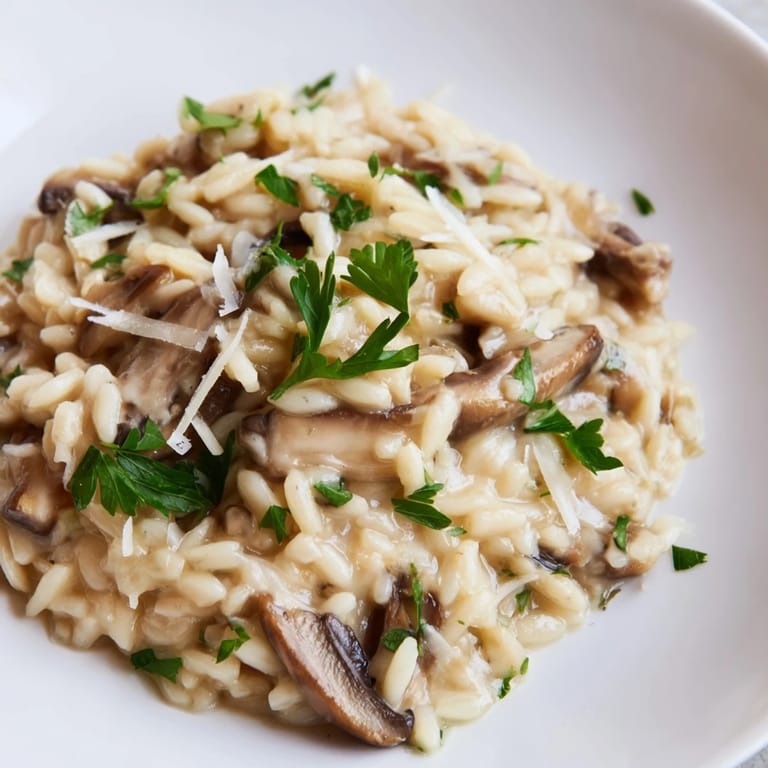
Save One night I made this for a friend who'd just moved across the country and was eating takeout on a air mattress. We sat on her floor with mismatched bowls, and she told me it tasted like home even though she'd never had it before. I think that's what a good meal does: it doesn't have to be fancy or familiar, it just has to make you feel like someone cared enough to stir the pot.
Choosing Your Mushrooms
Cremini mushrooms have a deeper, earthier flavor than white buttons, but honestly, either works beautifully here. If you're feeling adventurous, try mixing in shiitake or oyster mushrooms for a more complex, woodsy taste. Just make sure to slice them evenly so they cook at the same rate and don't leave you with some pieces raw and others rubbery.
Wine or No Wine
The wine adds a subtle acidity that balances the richness of the butter and cheese, but it's not essential. If you skip it, consider adding a squeeze of lemon juice at the end to brighten things up. I've made this both ways depending on what's in the fridge, and it's been delicious every time.
Storing and Reheating
This dish is best eaten fresh, but leftovers can be saved in the fridge for up to two days. When you reheat it, add a splash of broth or water and warm it gently on the stove, stirring constantly, because the orzo will have absorbed more liquid as it sat. Don't microwave it unless you want a dense, sad brick of pasta.
- If it's too thick after reheating, whisk in a little warm broth until it loosens up.
- You can also turn leftovers into arancini by forming them into balls, breading, and frying.
- Add a handful of fresh spinach or arugula when reheating to give it new life.
 Save
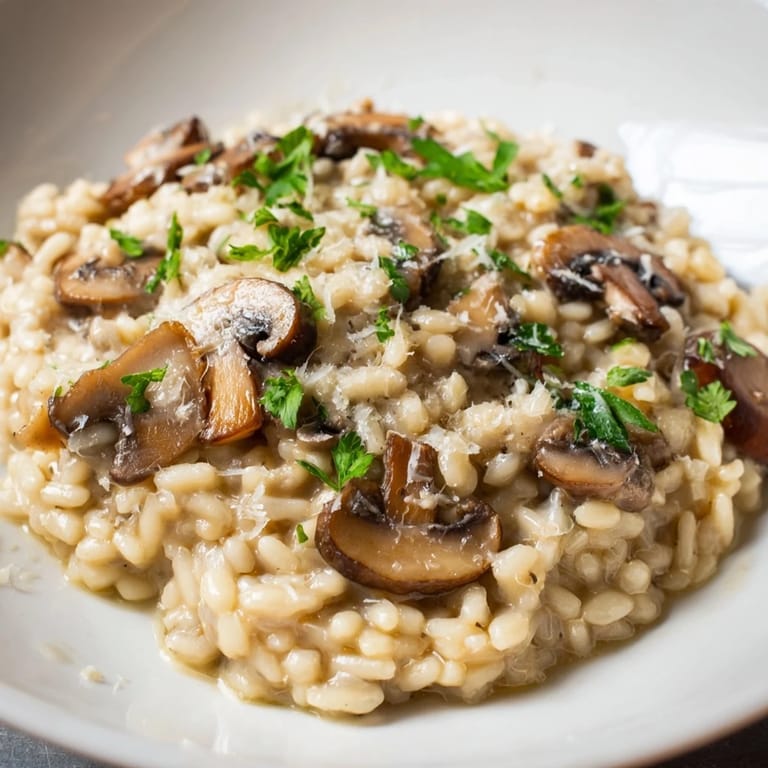
Save This is the kind of meal that makes you want to light a candle and pour a glass of wine, even on a Wednesday. It's simple, but it never feels boring, and that's exactly the kind of cooking I keep coming back to.
Recipe FAQs
- → Can I use different types of mushrooms?
Absolutely. Cremini and button mushrooms work wonderfully, but you can also use portobello, shiitake, or oyster mushrooms. Each variety brings its own earthy character. Mix varieties for deeper, more complex flavor.
- → What vegetable broth works best?
Use a quality vegetable broth—homemade is ideal for the richest flavor. Store-bought works well too; choose low-sodium options so you can control seasoning. Mushroom broth adds extra depth if available.
- → Is the white wine necessary?
No, it's optional but recommended. The wine adds acidity and complexity that balances the creamy richness. If omitting, increase broth slightly. Non-alcoholic substitutes like vegetable broth work fine.
- → How do I achieve the creamy texture?
Constant stirring is key. As you add broth gradually, the orzo releases starch, creating natural creaminess. Don't rush the process. The final butter and Parmesan also contribute to the luxurious texture.
- → Can I make this dairy-free?
Yes. Substitute plant-based butter and dairy-free Parmesan. Nutritional yeast adds a cheesy flavor. The dish remains creamy thanks to the orzo's starch and the gradual broth incorporation method.
- → What should I serve alongside this dish?
A crisp white wine like Pinot Grigio or Sauvignon Blanc pairs beautifully. A simple green salad with lemon vinaigrette balances the richness. Crusty bread for soaking up the creamy sauce is always welcome.