 Save
Save I discovered this version of mac and cheese completely by accident while trying to use up a container of cottage cheese that was taking up valuable fridge real estate. The first spoonful surprised me—it was creamy in a way that felt almost luxurious, nothing like the dense, heavy sauce I'd grown up with. My partner looked skeptical until she tasted it and admitted it was somehow both indulgent and lighter than the traditional version. That's when I realized I'd stumbled onto something worth repeating, especially on nights when I wanted comfort food that didn't leave me feeling sluggish.
There was this Sunday afternoon when a friend stopped by unexpectedly, and all I had going was a pot of boiling water. I threw together this mac and cheese in under thirty minutes, and she asked for the recipe before she'd even finished eating, which felt like the ultimate kitchen compliment. It's become my go-to when I need something that looks like I've put in effort but honestly requires almost no stress.
Ingredients
- High-protein pasta (300 g): Chickpea or lentil varieties add genuine substance and keep your energy steady, though whole wheat works beautifully too if that's what you have.
- Low-fat cottage cheese (300 g): This is your secret weapon—blended smooth, it becomes indistinguishable from cream but brings actual nutrition along for the ride.
- Low-fat milk (120 ml): The bridge between the cottage cheese and your sauce consistency, so use what you prefer whether that's dairy or plant-based.
- Sharp cheddar cheese (100 g): Sharp means flavor, and flavor means you need less cheese overall while still getting that cheese-forward taste.
- Parmesan cheese (40 g): A little goes a long way here, adding umami depth that makes people wonder what your secret is.
- Nutritional yeast (1 tbsp, optional): If you want an extra savory note and a bit more B vitamins, this is your friend.
- Cornstarch (1 tbsp): Your insurance policy against a sauce that's too thin, though it's worth mentioning you can skip it if you're careful with your whisking.
- Dijon mustard (1 tsp): Just enough to brighten the sauce without making anyone ask what that flavor is.
- Garlic and onion powder (½ tsp each): These work harder than you'd think, filling in flavor gaps that make the dish feel more complete.
- Black pepper and salt (¼ tsp each): Taste as you go because pasta water varies and so do cheese brands.
Tired of Takeout? 🥡
Get 10 meals you can make faster than delivery arrives. Seriously.
One email. No spam. Unsubscribe anytime.
Instructions
- Get the water going:
- Salt your water generously—it should taste like the sea—and let it come to a rolling boil before the pasta goes in. This is non-negotiable if you want anything resembling flavor.
- Blend your magic:
- While the pasta cooks, throw everything sauce-related into the blender and let it run until there are absolutely no cottage cheese curds visible. This smooth sauce is what makes people ask if you've somehow made mac and cheese better.
- Heat gently and whisk:
- Pour the blended sauce into your saucepan and keep the heat at medium-low, whisking constantly. You're looking for small bubbles at the edges and a noticeably thicker sauce, which usually takes about 3 to 5 minutes—going faster risks a broken sauce.
- Combine everything:
- Drain your pasta, reserving that cooking water like it's liquid gold, then add the pasta to the sauce. Toss for a minute to coat everything and heat through, and if the sauce seems too thick, loosen it up with splashes of that reserved water.
- Optional golden crust:
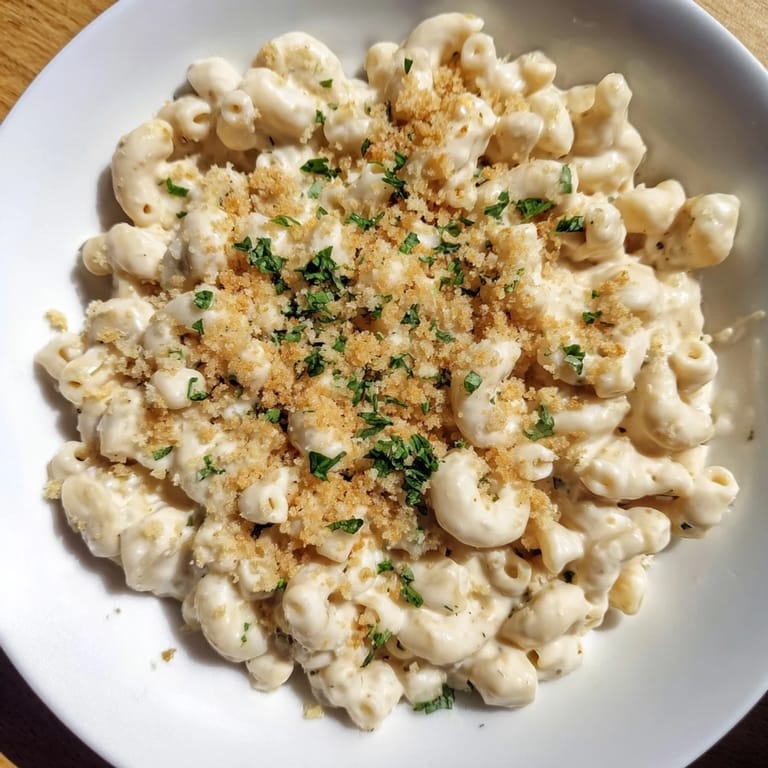
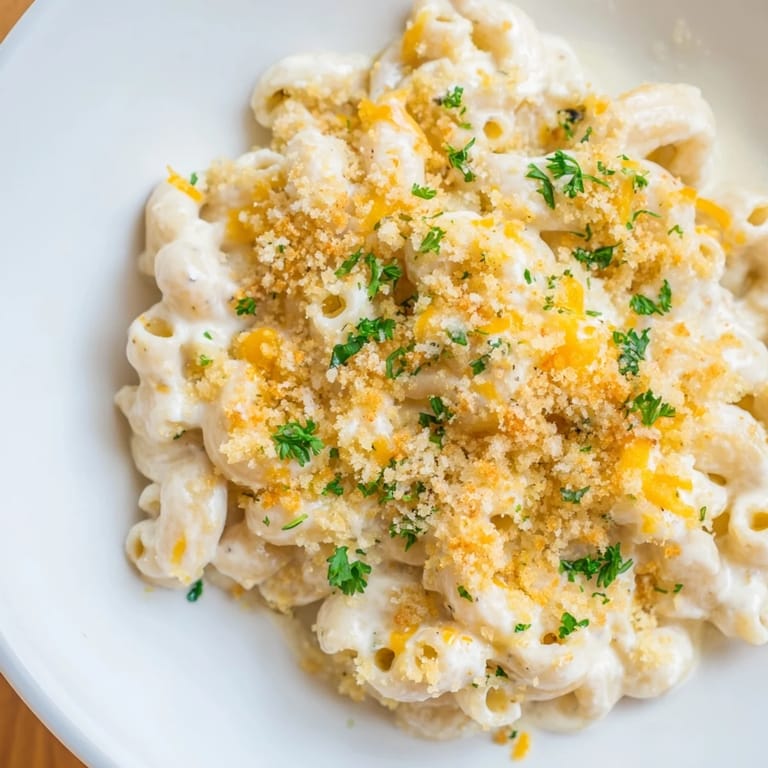
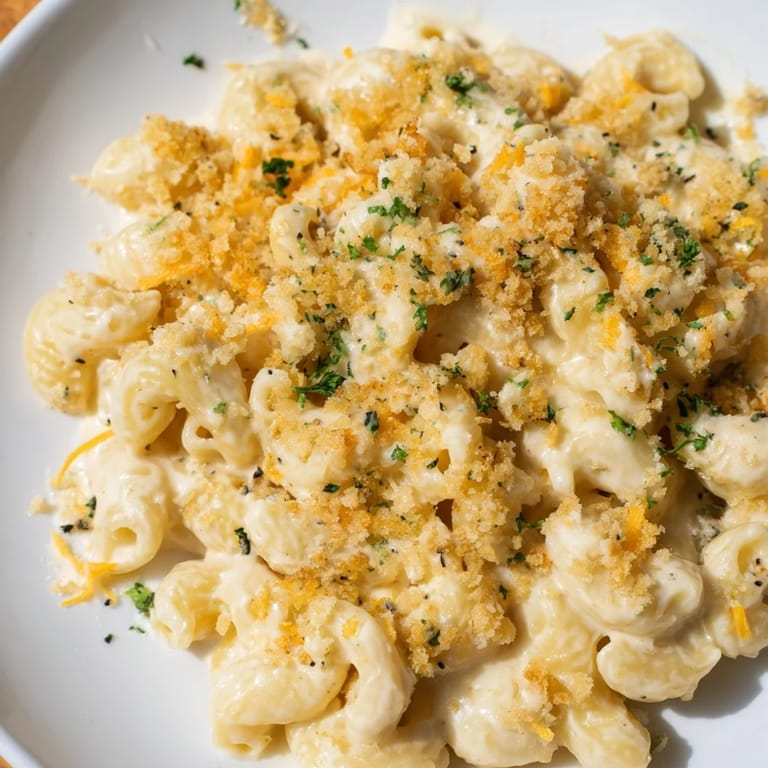
- If you're feeling fancy, spread everything into a baking dish, top with breadcrumbs, and broil for 2 to 3 minutes until the top is golden and a little crispy. If you're not, that's completely fine—it's delicious either way.
- Serve and garnish:
- Fresh parsley on top adds brightness and makes the whole thing look like you actually went to culinary school.
 Save
Save I remember serving this to my family at a casual weeknight dinner, and my mom—who is genuinely hard to impress when it comes to anything involving cottage cheese—went quiet mid-bite in that way that means something has surprised her. She asked if I'd used real cream, and when I showed her the cottage cheese container, she shook her head in disbelief. That moment made me understand that sometimes the best kitchen discoveries are the ones that challenge what people think they know.
Making It Your Own
The beauty of this recipe is that it's genuinely flexible without falling apart. Stir in shredded rotisserie chicken if you want extra protein, or throw in steamed broccoli florets right before serving for vegetables that actually taste good in mac and cheese. I've also swapped the cheddar for Gruyère when I wanted something more sophisticated, and it absolutely works.
Texture and Consistency Notes
The cornstarch does real work here, but I've learned you can actually skip it if you watch the sauce carefully and adjust your milk-to-cottage-cheese ratio. The key is understanding that cottage cheese on its own tends toward the thicker side, so if your sauce seems too heavy even before it reaches the pan, thin it slightly with more milk. One thing I discovered the hard way is that gluten-free pasta often needs a touch more sauce, so don't be stingy with that reserved cooking water.
Timing and Serving
This entire dish comes together in about thirty minutes, which is honestly perfect for a weeknight when you want something that feels substantial. The optional broiling step takes just a few minutes but transforms the texture if you're into that crispy-top situation. Here are a few final thoughts to keep in mind:
- Make sure your pasta is truly al dente before adding it to the sauce, because it'll continue softening slightly as it coats and heats through.
- If you're making this ahead, store it covered and reheat gently with a splash of milk stirred in to bring back the creamy consistency.
- Taste your sauce before declaring it finished, because every cheese brand and milk type behaves slightly differently.
 Save
Save This has become the mac and cheese I make when I want to feel good about what I'm eating while still getting that complete comfort-food experience. It's proof that sometimes the best recipes aren't about following tradition—they're about happy accidents that turn into beloved dinners.
Recipe FAQs
- → What type of pasta works best for this dish?
High-protein pasta, such as chickpea, lentil, or whole wheat varieties, pairs well to boost nutrition and texture.
- → How do I make the cheese sauce smooth and creamy?
Blend cottage cheese with milk, cheddar, Parmesan, and seasonings until completely smooth before gently heating to thicken.
- → Can I customize the cheese blend?
Absolutely! Swap cheddar for Gruyère or Monterey Jack to vary the flavor profile according to preference.
- → Is it possible to make this dish gluten-free?
Yes, simply use gluten-free pasta and omit breadcrumbs or use gluten-free alternatives for the topping.
- → How can I add extra protein to this meal?
Incorporate cooked chicken breast or steamed broccoli to enhance protein content and add variety.