 Save
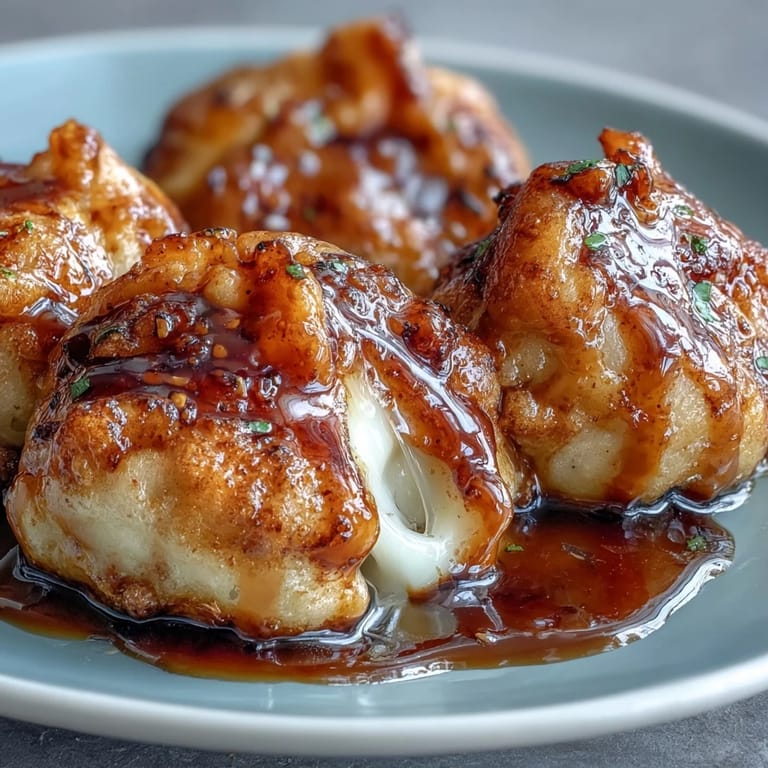
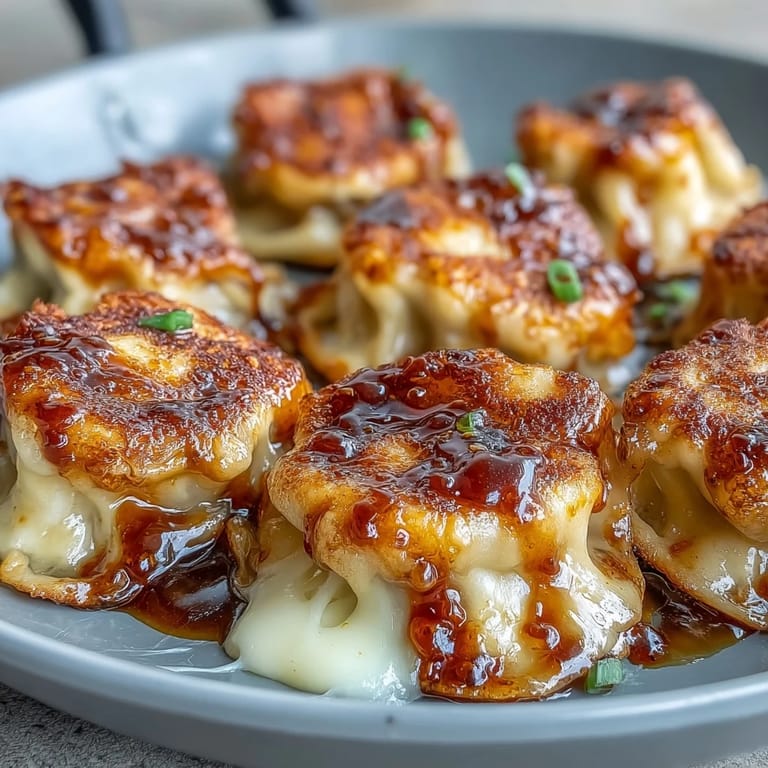
Save The smell hit me before I even saw them: warm potato mixed with caramelizing soy and honey, sharp and sweet all at once. My friend was flipping golden dumplings in her tiny Tokyo kitchen, and when she cut one open, cheese stretched like a miracle. I had no idea mochi could be made from potato, but watching her work the dough with starch-dusted hands, I realized comfort food doesn't need complexity. That first bite, crispy outside and pillowy inside, made me want to recreate it the moment I got home.
I made these for a rainy Saturday dinner when I had nothing but potatoes, cheese, and a bottle of soy sauce that had been sitting too long in the fridge. My partner wandered into the kitchen halfway through and asked why it smelled like a festival. By the time I plated them with sesame seeds scattered on top, we'd both forgotten we were supposed to be having salad for dinner. We ate all eight in one sitting, licking our fingers between bites.
Ingredients
- Russet potatoes: Their starchy texture makes the dough hold together without being gummy, and they mash smoother than waxy varieties.
- Potato starch: This gives the mochi its signature chew; cornstarch works in a pinch but won't be quite as bouncy.
- Unsalted butter: Just enough to add richness without making the dough greasy or hard to handle.
- Salt: Balances the natural sweetness of potato and keeps the filling from tasting flat.
- Mozzarella cheese: Melts beautifully and stretches when you bite in, though cheddar or gouda add a sharper, saltier kick.
- Soy sauce: The backbone of the glaze, salty and umami-rich.
- Honey: Rounds out the soy with gentle sweetness and helps the glaze cling and caramelize.
- Mirin: Adds a subtle tang and shine; don't skip it if you want that glossy finish.
- Rice vinegar: Cuts through the richness and keeps the glaze from being too heavy.
- Neutral oil: For frying without adding competing flavors.
Tired of Takeout? 🥡
Get 10 meals you can make faster than delivery arrives. Seriously.
One email. No spam. Unsubscribe anytime.
Instructions
- Boil the potatoes:
- Drop the chopped potatoes into salted boiling water and cook until a fork slides through with no resistance, about 12 to 15 minutes. Drain them well so excess water doesn't make your dough soggy.
- Mash and season:
- Mash the hot potatoes until completely smooth, then stir in butter and salt while they're still steaming. The heat helps the butter melt evenly into every bite.
- Form the dough:
- Add the potato starch and knead gently until the mixture comes together into a soft, slightly tacky dough. If it sticks to your hands too much, dust in a little more starch, but don't overdo it or the dough will be stiff.
- Shape and fill:
- Divide the dough into eight equal pieces, flatten each into a disc, and tuck a cheese cube in the center. Pinch the edges up and around, sealing it completely so the cheese doesn't escape during frying.
- Pan-fry until golden:
- Heat oil in a nonstick skillet over medium heat and add the dumplings, turning them every couple of minutes until every side is crisp and golden brown. This takes about 6 to 8 minutes total.
- Glaze and serve:
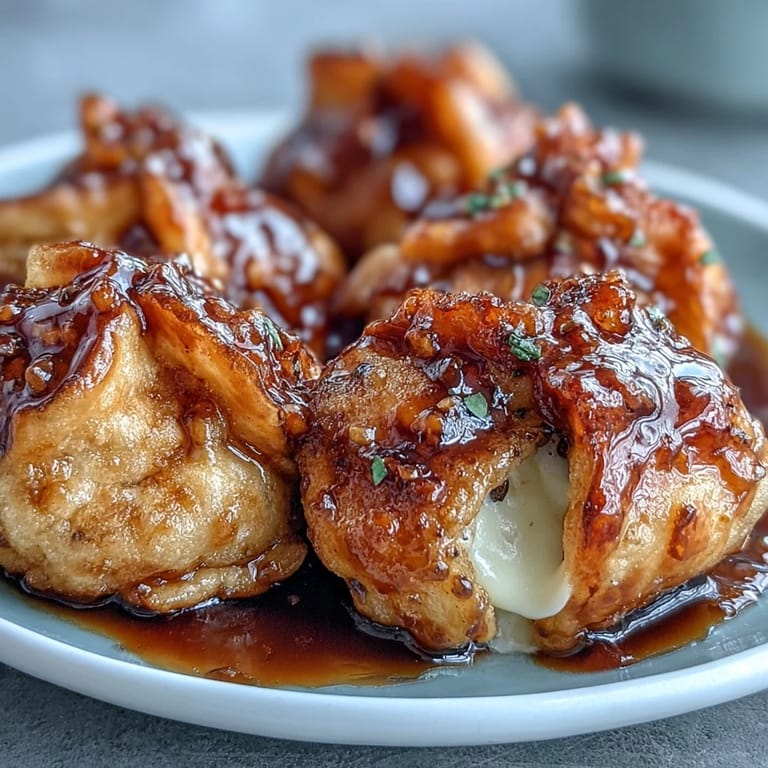
- Mix soy sauce, honey, mirin, and rice vinegar in a small bowl, then pour it into the skillet with the dumplings. Toss gently and let the sauce bubble and thicken for a minute or two until it coats each dumpling in a sticky, glossy shell.
 Save
Save The first time I served these at a potluck, someone asked if I'd ordered them from a Japanese takeout spot. I laughed and said no, just potatoes and a little patience. By the end of the night, three people had texted asking for the recipe, and I realized this dish had become my quiet party trick.
Choosing Your Cheese
Mozzarella is classic because it melts into those dramatic cheese pulls everyone loves, but I've also used sharp cheddar when I wanted something saltier and more pronounced. Gouda works beautifully too, especially smoked gouda, which adds a subtle campfire note that pairs surprisingly well with the soy glaze. Just make sure whatever cheese you choose melts smoothly and doesn't get grainy when heated.
Making Them Ahead
You can shape the dumplings, seal them with cheese inside, and refrigerate them on a parchment-lined tray for up to a day before frying. Let them sit at room temperature for about 10 minutes before they hit the pan, or they may crack from the temperature shock. I've even frozen them and fried straight from frozen, adding a couple extra minutes to the cook time.
Serving Suggestions
These are fantastic on their own as a snack, but I also love serving them alongside a crisp cucumber salad or pickled vegetables to cut through the richness. A cold beer or hot green tea makes a great pairing, and if you're feeling fancy, a drizzle of toasted sesame oil over the top adds an extra layer of nuttiness.
- Garnish with sliced scallions or toasted sesame seeds for color and crunch.
- Serve with a small dish of extra soy sauce or chili oil for dipping.
- Pair with miso soup and steamed edamame for a full Japanese-inspired spread.
 Save
Save There's something deeply satisfying about pulling apart a golden dumpling and watching cheese stretch between the halves, especially when you made it with your own hands from scratch. It's the kind of recipe that turns an ordinary evening into something worth remembering.
Recipe FAQs
- → What type of potatoes work best for imomochi?
Russet potatoes are ideal because they have a high starch content that creates the perfect soft and chewy texture. Yukon Gold can also work but may result in a slightly softer consistency.
- → Can I use cornstarch instead of potato starch?
Yes, cornstarch is an acceptable substitute for potato starch in this preparation. The texture will be very similar, though potato starch provides a slightly chewier result.
- → How do I prevent the cheese from leaking during cooking?
Make sure to seal the dough completely around the cheese cube, pinching all edges firmly. Cook over medium heat rather than high to allow the exterior to set before the cheese fully melts.
- → Can I make these ahead of time?
Yes, you can shape the dumplings and refrigerate them for up to 24 hours before frying. You can also freeze uncooked dumplings for up to 1 month and cook them directly from frozen, adding a few extra minutes to the cooking time.
- → What can I serve with chīzu imomochi?
These pair beautifully with a fresh green salad, pickled vegetables, or as part of a Japanese appetizer spread. They also work well alongside miso soup or as a side to grilled proteins.
- → How can I make the glaze thicker?
Allow the glaze to simmer in the pan for an additional minute or two after coating the dumplings. The sugars in the honey will caramelize and create a thicker, stickier coating.