 Save
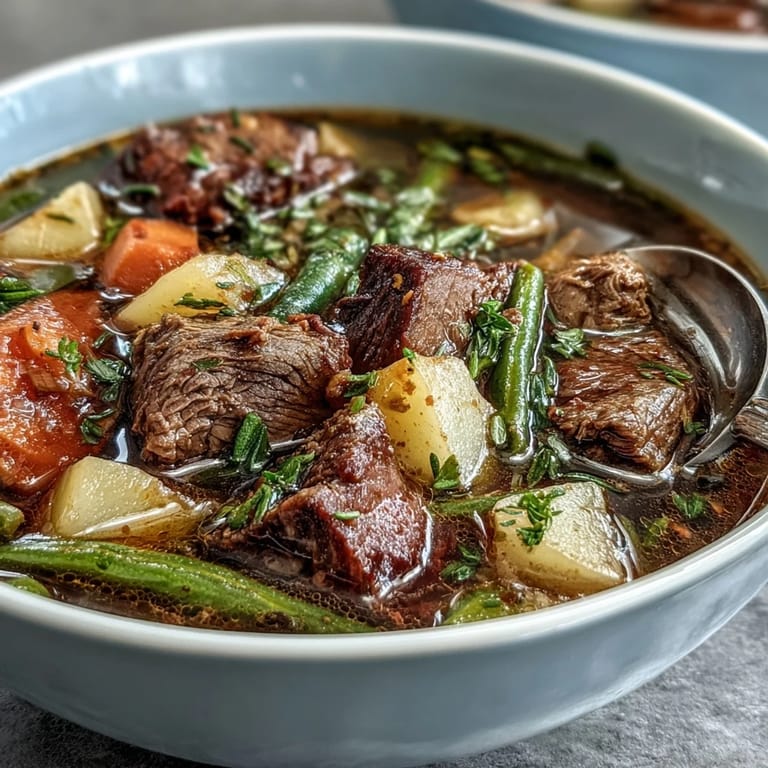
Save The scent of beef and vegetable soup simmering on the stove brings back memories of my grandfather's kitchen on snowy afternoons. He taught me this recipe during a particularly brutal winter when the power went out for two days. We huddled around his gas stove, chopping vegetables by candlelight while he explained how the tough chuck would transform into something tender and nourishing. That soup sustained us until the electricity returned, and I've been making versions of it ever since.
Last winter, my neighbor broke her ankle slipping on ice, and I brought over a pot of this soup along with some crusty bread. Her husband called later that evening to sheepishly ask for the recipe, admitting she had declared it better than his mother's version. When I visited a week later, she had already made it twice herself, sitting on a kitchen stool with her cast propped up, determined not to wait for full recovery to enjoy it again.
Ingredients
- Beef Chuck: Look for meat with good marbling as those little streaks of fat melt during cooking, creating richer flavor and more tender bites.
- Root Vegetables: Carrots, potatoes, and parsnips form the backbone of this soup, and their natural sweetness balances the savory beef beautifully.
- Fresh and Frozen Peas: I add these last to preserve their bright color and fresh taste, which lightens the otherwise hearty soup.
- Bay Leaves: These unassuming leaves work quiet magic in the background, infusing the broth with subtle depth that you only notice when you forget to add them.
- Beef Broth: While homemade is wonderful, I often use store-bought and doctor it with a splash of wine or a parmesan rind I've saved in the freezer.
Tired of Takeout? 🥡
Get 10 meals you can make faster than delivery arrives. Seriously.
One email. No spam. Unsubscribe anytime.
Instructions
- Brown the Beef Properly:
- Resist the urge to stir the beef cubes constantly. Let them develop a deep brown crust on each side, which creates those incredible flavor compounds that will infuse the entire soup.
- Build the Flavor Base:
- When sautéing the mirepoix of onions, carrots, and celery, you should hear a gentle sizzle, not a harsh fry. This slow sweat coaxes out the natural sweetness from the vegetables.
- Let Time Work Its Magic:
- Once everything is in the pot, the hardest part is being patient. You might catch yourself lifting the lid to peek and getting enveloped in a cloud of fragrant steam that fogs your glasses.
- Add Brightness at the End:
- The peas go in during the final minutes, maintaining their vibrant color and slight pop when you bite into them. This late addition provides a lovely textural contrast to the meltingly tender beef and soft root vegetables.
- Taste and Adjust:
- Before serving, take a proper taste from a spoon. Sometimes I find a splash of vinegar or lemon juice wakes up all the flavors after the long simmer.
 Save
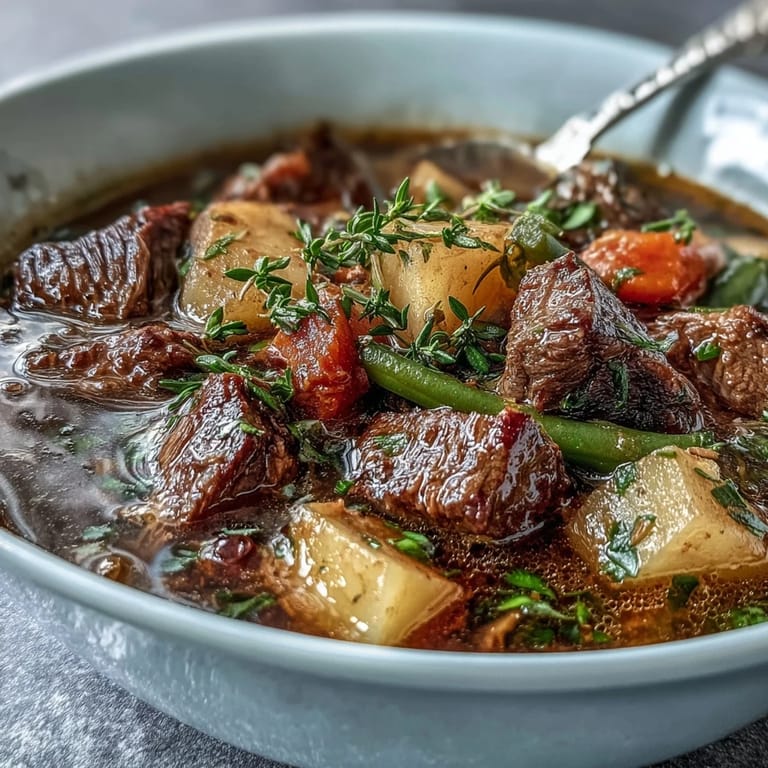
Save During graduate school, this soup became my Sunday ritual, filling my tiny apartment with homey aromas that somehow made Monday mornings less daunting. My study group started timing their visits to coincide with soup days, bringing bread and wine while I stirred the pot between reviewing notes. Even now, years later, one friend still texts me when the temperature drops below freezing with just three words: beef soup weather.
The Art of Leftovers
This soup performs a minor miracle overnight in the refrigerator, as the flavors deepen and marry in ways that make the second day's serving even better than the first. The beef absorbs more savory notes, and the broth thickens slightly as the vegetables continue to release their starches. Sometimes I deliberately make this soup a day ahead, letting it cool completely before refrigerating, just to achieve this enhanced flavor profile.
Seasonal Adaptations
While this is fundamentally a winter comfort food, I've adapted it through the seasons with surprising success. In spring, I lighten it with extra green beans and peas, sometimes adding asparagus tips in the final minutes. Summer brings opportunities to toss in fresh corn kernels and cherry tomatoes instead of canned. Fall versions welcome butternut squash cubes and kale ribbons, creating a bridge between seasons that keeps this recipe in rotation year-round.
Making It Your Own
The beauty of this soup lies in its flexibility, inviting you to make adjustments based on what you have or what you love. My mother adds barley, my brother insists on mushrooms, and my partner lobbies for more garlic every time.
- If serving to company, consider setting out small bowls of additional herbs, a good pepper grinder, and perhaps some grated parmesan for everyone to customize their bowls.
- For heartier appetites, cooked pasta or rice can be added to individual servings rather than to the whole pot, preventing it from absorbing too much broth during storage.
- When reheating leftovers, a splash of fresh broth or even water revives the consistency if it has thickened too much overnight.
 Save
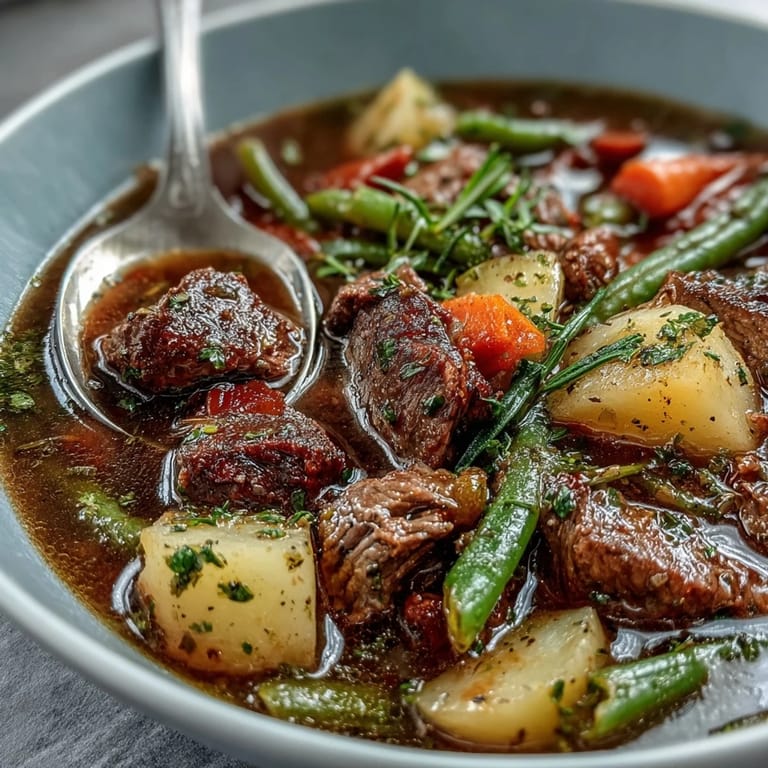
Save This soup has accompanied me through blizzards and breakups, celebrations and sick days, always reliable and somehow exactly what was needed. Perhaps that's the true definition of comfort food: not just what fills the stomach, but what soothes the soul regardless of circumstance.
Recipe FAQs
- → How long does beef and vegetable soup keep in the refrigerator?
Leftovers stay fresh refrigerated for up to 4 days. The flavors actually develop and improve overnight, making it an excellent make-ahead option for busy weeks.
- → Can I freeze this soup?
Yes, this freezes beautifully for up to 3 months. Let it cool completely before transferring to freezer-safe containers. Thaw overnight in the refrigerator before reheating.
- → What cut of beef works best?
Beef chuck is ideal because it becomes tender during long simmering. You can also use round, stew meat, or even short ribs for extra richness and flavor.
- → Can I make this in a slow cooker?
Absolutely. Brown the beef first, then add all ingredients to your slow cooker. Cook on low for 7-8 hours or on high for 4-5 hours until the beef is tender.
- → What vegetables can I substitute?
Feel free to swap potatoes for sweet potatoes, add turnips or rutabaga, or include other favorites like corn or zucchini. The base of onions, carrots, and celery provides essential flavor.
- → How can I make the broth richer?
Add a splash of Worcestershire sauce, a dash of smoked paprika, or a tablespoon of tomato paste for depth. Using homemade beef broth also elevates the final result significantly.